Johnson helped expand African American literature through her ground-breaking work as a novelist,...
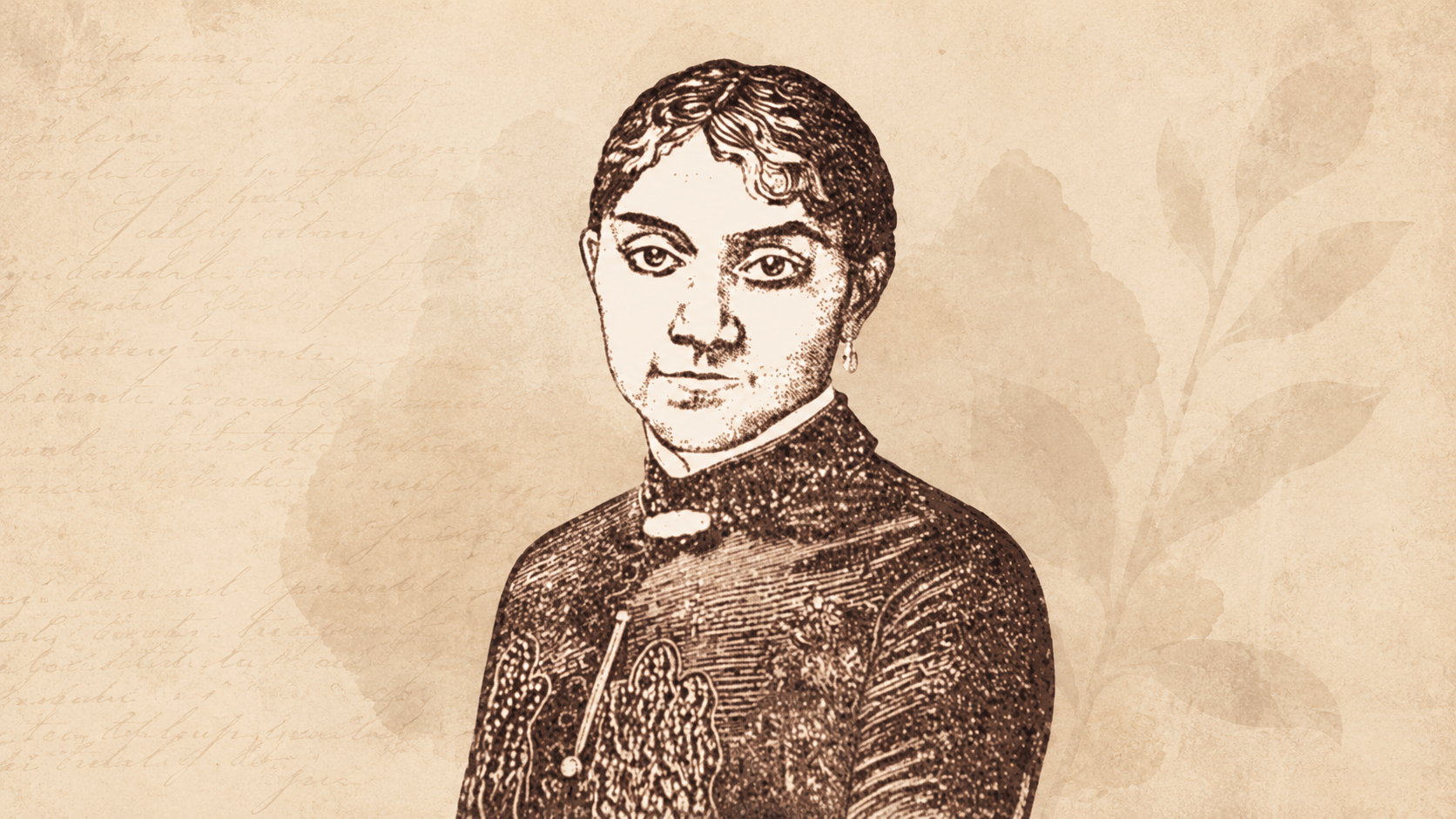
Amelia E. Johnson
read more

Notable People
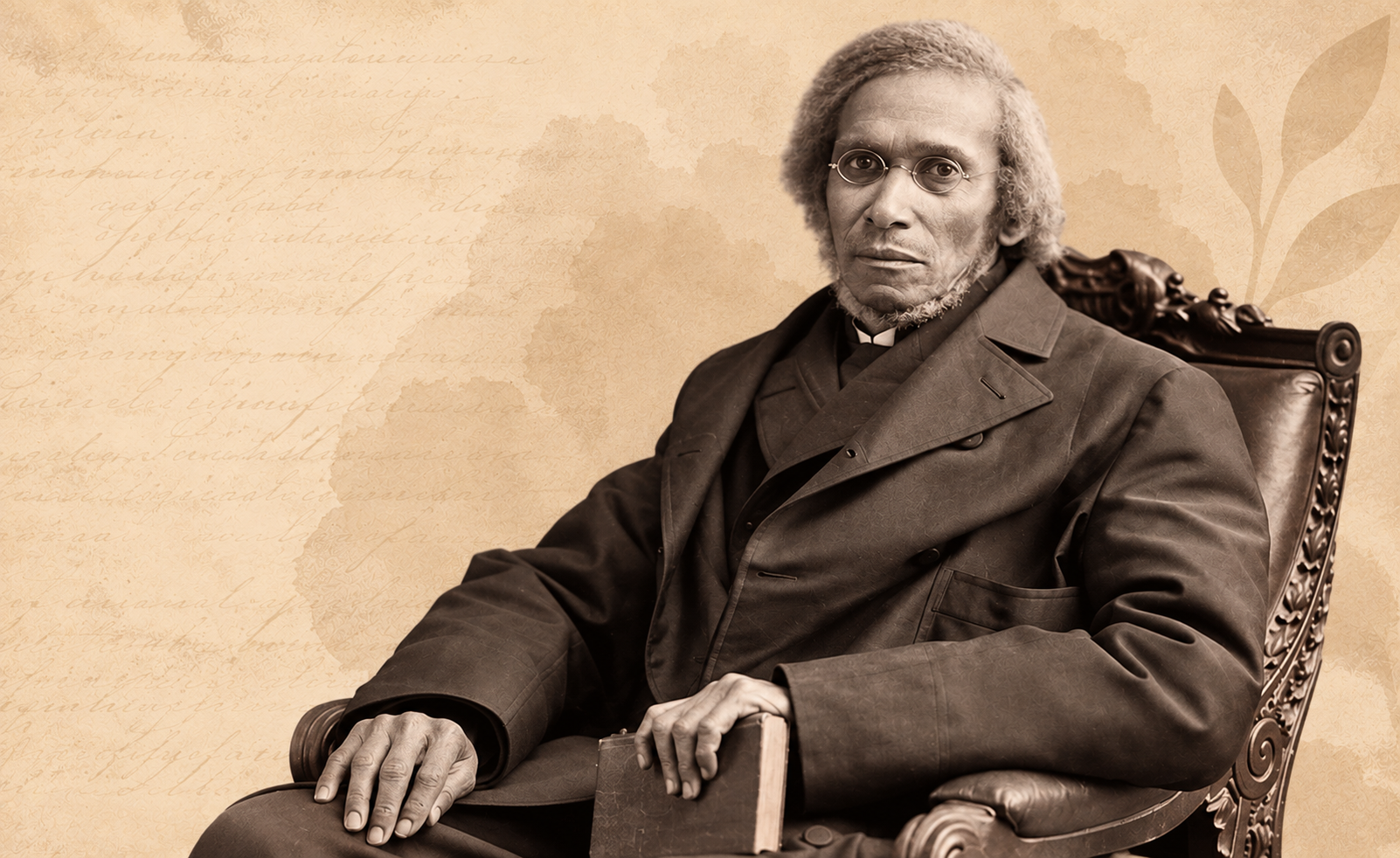
Daniel Alexander Payne (1811–1893) was an abolitionist, clergyman, historian, and educator born to free parents in Charleston, South Carolina. Orphaned by age ten, he was raised by an aunt and educated by a private tutor. Beginning at age twelve, he worked as a shoemaker, carpenter, and tailor.
At nineteen, Payne opened a school for African-American children, which later closed because of laws restricting their education. He studied at the Lutheran Theological Seminary from 1835 to 1837 and became the first African-American minister ordained in the Lutheran Church in 1839.
Payne joined the African Methodist Episcopal (A.M.E.) Church in 1841 and assisted enslaved people escaping to freedom in Canada between 1842 and 1843. He wrote a history of the A.M.E. Church in 1848 and was elected its sixth bishop in 1853. He advocated for an educated clergy and a less emotional style of worship.
In Baltimore, Payne pastored Bethel A.M.E. Church and organized Ebenezer A.M.E. Church. He later served as president of Wilberforce College, becoming a pioneering African-American college leader.
Following his death in 1893, a funeral was held at Wilberforce. His body lay in state for two days at Baltimore's Bethel A.M.E. Church, where a second funeral was held before his burial at Laurel Cemetery. Frederick Douglass spoke at the unveiling of Payne's monument on May 22, 1894.
Year of Birth
1811
Place of Birth
Charleston, SC
Year of Death
1893
Place of Burial
Not provided
Occupation
Abolitionist, Clergyman, Historian, Educator
Era
19th Century
Pioneer in African-American Education, opening a school for African-American children at age nineteen and later served as president of Wilberforce College.
Elected sixth bishop of the A.M.E. Church in 1853, pastored Bethel A.M.E. Church, and organized Ebenezer A.M.E. Church in Baltimore.
Assisted enslaved people escaping to Canada between 1842 and 1843 and wrote a history of the A.M.E. Church in 1848.
Johnson helped expand African American literature through her ground-breaking work as a novelist,...

Union soldier, journalist, and civic leader. Handy helped shape African American political and...
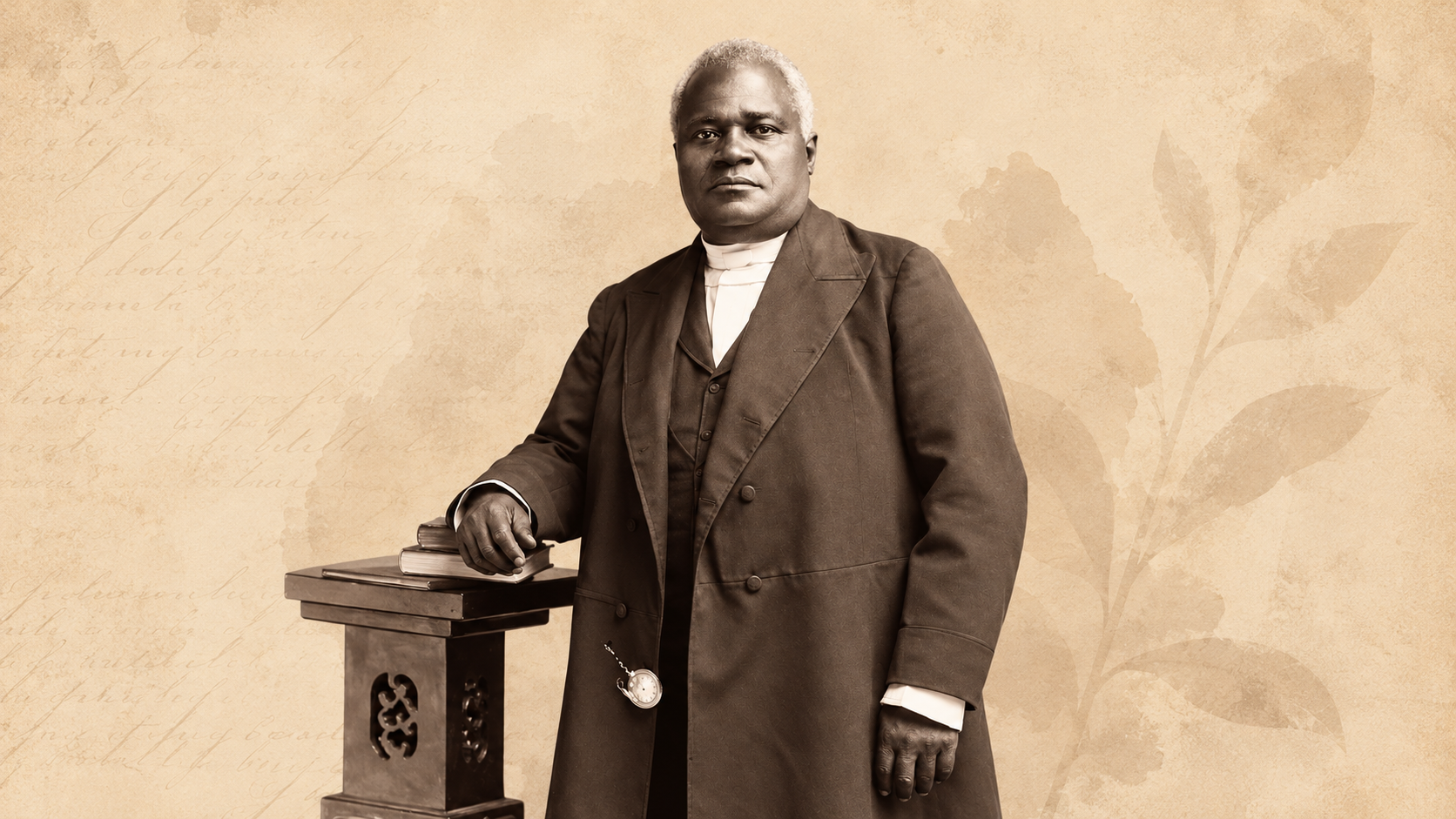
Bishop, historian, and author whose leadership strengthened the African Methodist Episcopal Church...