Notable People
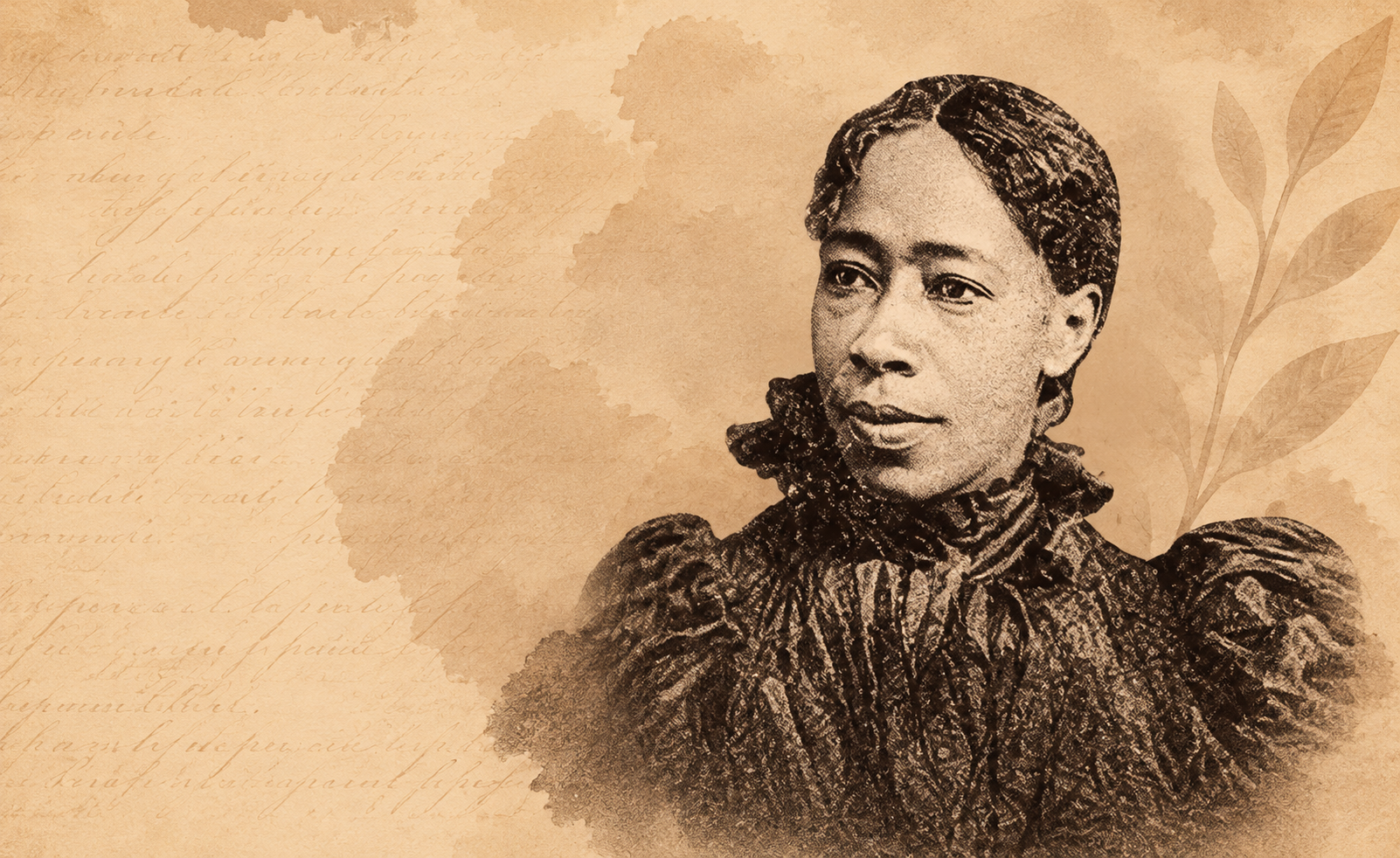
George Alexander Hackett
Biography
George Alexander Hackett (1806–1870) was an entrepreneur, political activist, and community leader who was born enslaved and purchased his freedom before turning twenty-one. He operated a livery stable and coal yard and worked as a collector, claim agent, and steward aboard the USS Constitution. Hackett used his resources to support Baltimore's African-American community. His home served as a station on the Underground Railroad.
He opposed the Jacobs Bill, which threatened to deport free African Americans from Maryland and enslave their children. Active in Republican politics, Hackett advocated for African-American men's voting rights, publicly supported high schools for Black students, and African-American teachers in Black schools. He belonged to the Masons, Odd Fellows, and Bethel A.M.E. Church. Hackett co-founded the Chesapeake Marine Railway & Drydock Company and served on the Executive Committee of Laurel Cemetery. Mississippi Senator Hiram Revels and A.M.E. Bishop Daniel Payne spoke at his funeral.
Quick Facts
Year of Birth
1806
Place of Birth
Not provided
Year of Death
1870
Place of Burial
Not provided
Occupation
Entrepreneur, Political Activist, Community Leader
Era
19th Century
Key Contributions
Entrepreneurship
Co-founded and served as president of the Chesapeake Marine Railway & Drydock Company, which employed 300 Black and white workers within six months.
Labor Leadership
Worked as a caulker, participated in the Colored Caulkers' Trade Union, and owned its union hall.
Civil Rights
Participated in national civil rights and Republican conventions, advocated for Black teachers, and served on a federal grand jury in Baltimore.