
Archaeology

Uncover the evidence of Laurel Cemetery’s history through archaeology and discovery.
Archaeology revealed what remains of Laurel Cemetery, uncovering evidence of a history and people erased from the landscape.
scientific research.
careful documentation.
a history revealed.
2015–2017
Confirming What Remained
Archaeological research was directed by Dr. Ronald Castanzo of the University of Baltimore.
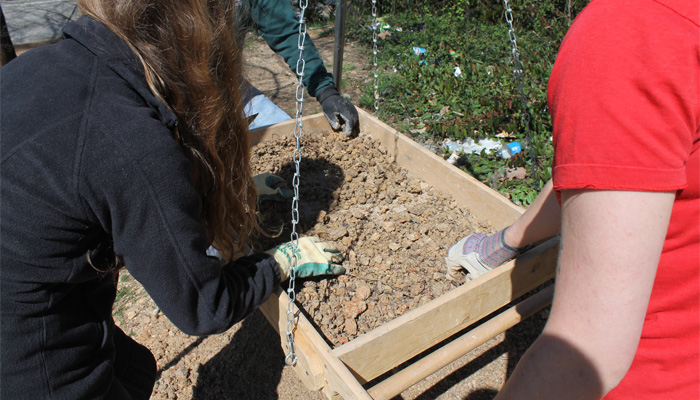
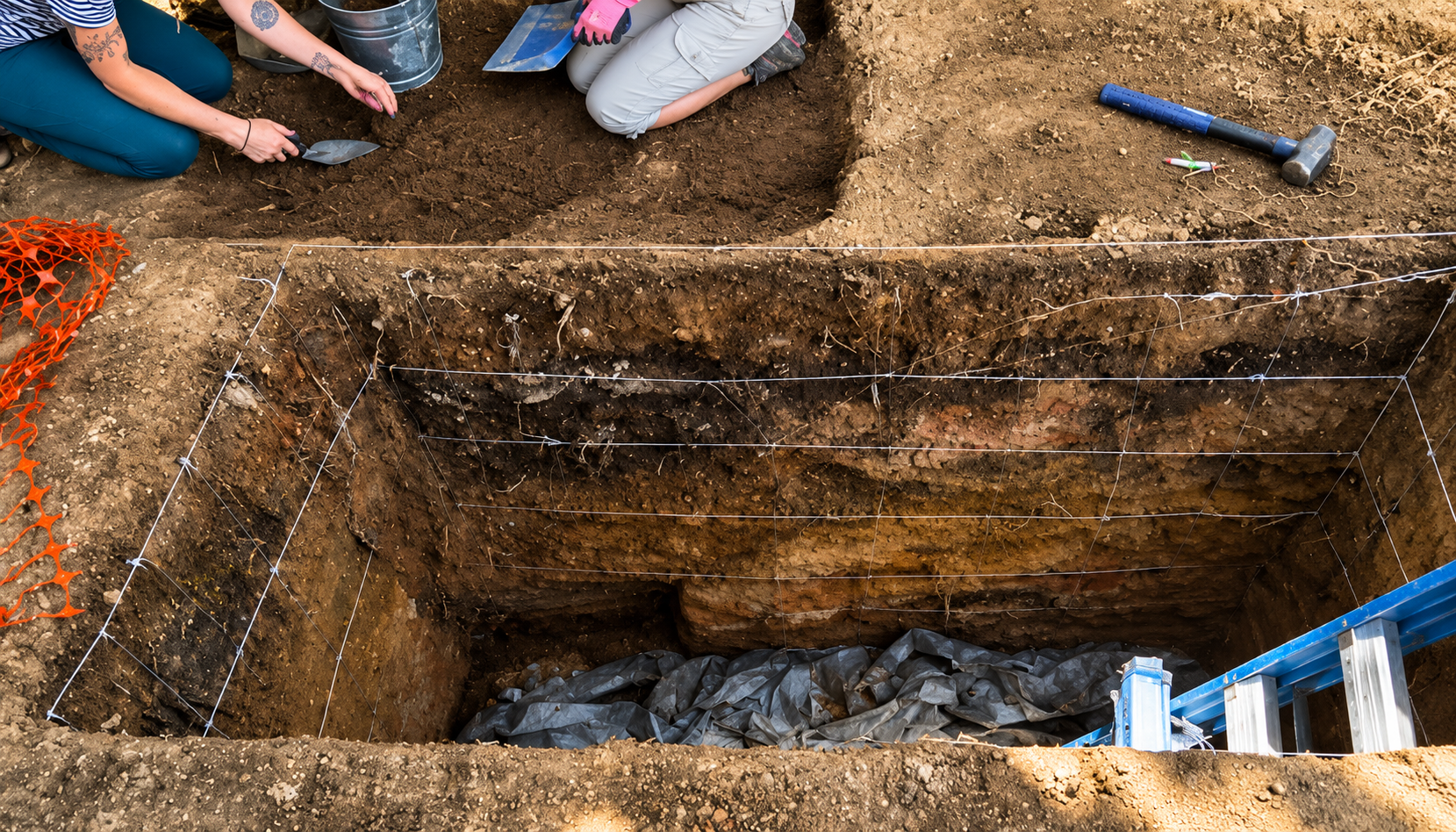
Fieldwork began on June 22, 2015 and concluded in July 2017. Because much of the cemetery lies beneath an active shopping center, excavation was conducted in an open field adjacent to the parking lot.
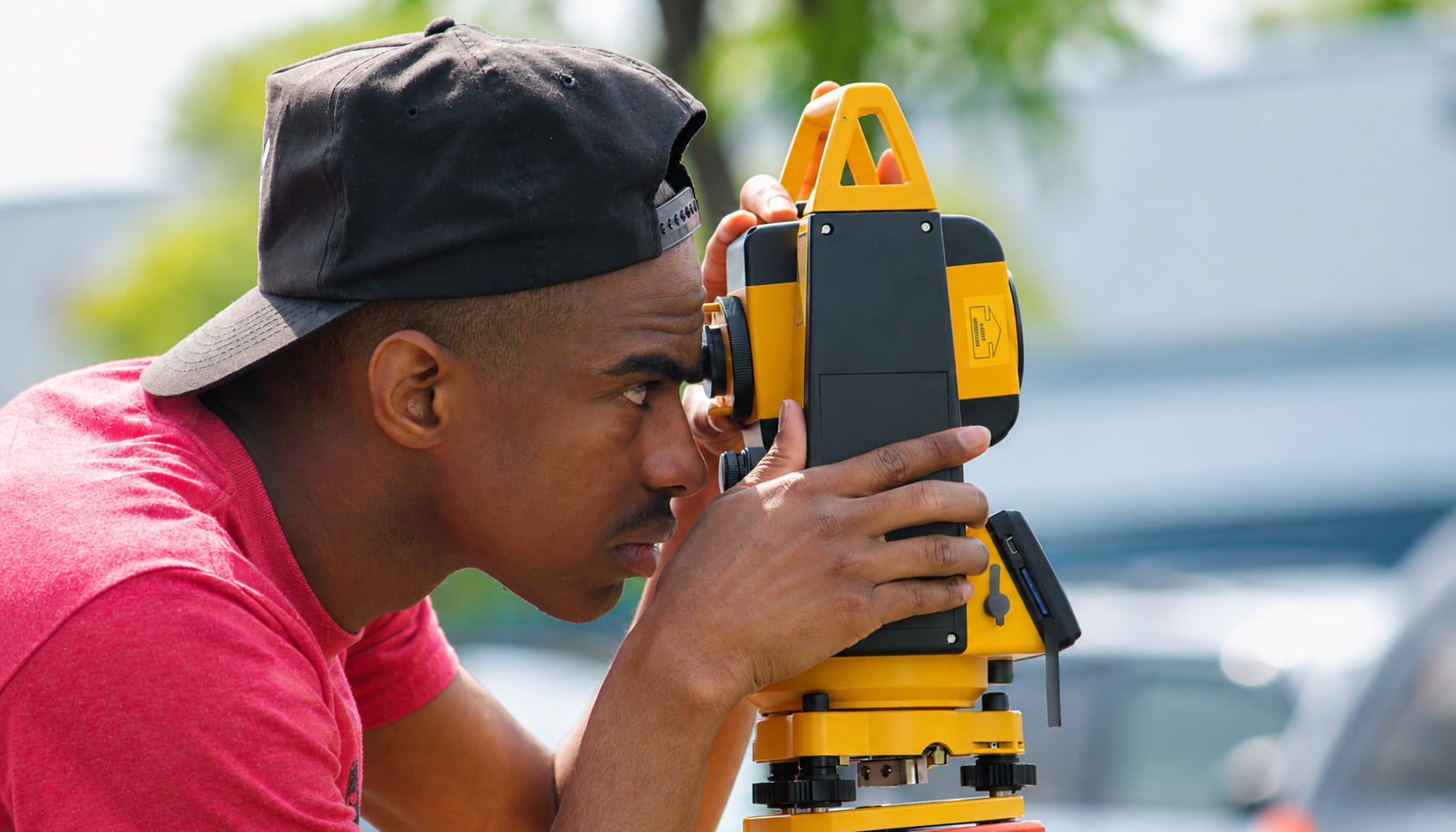
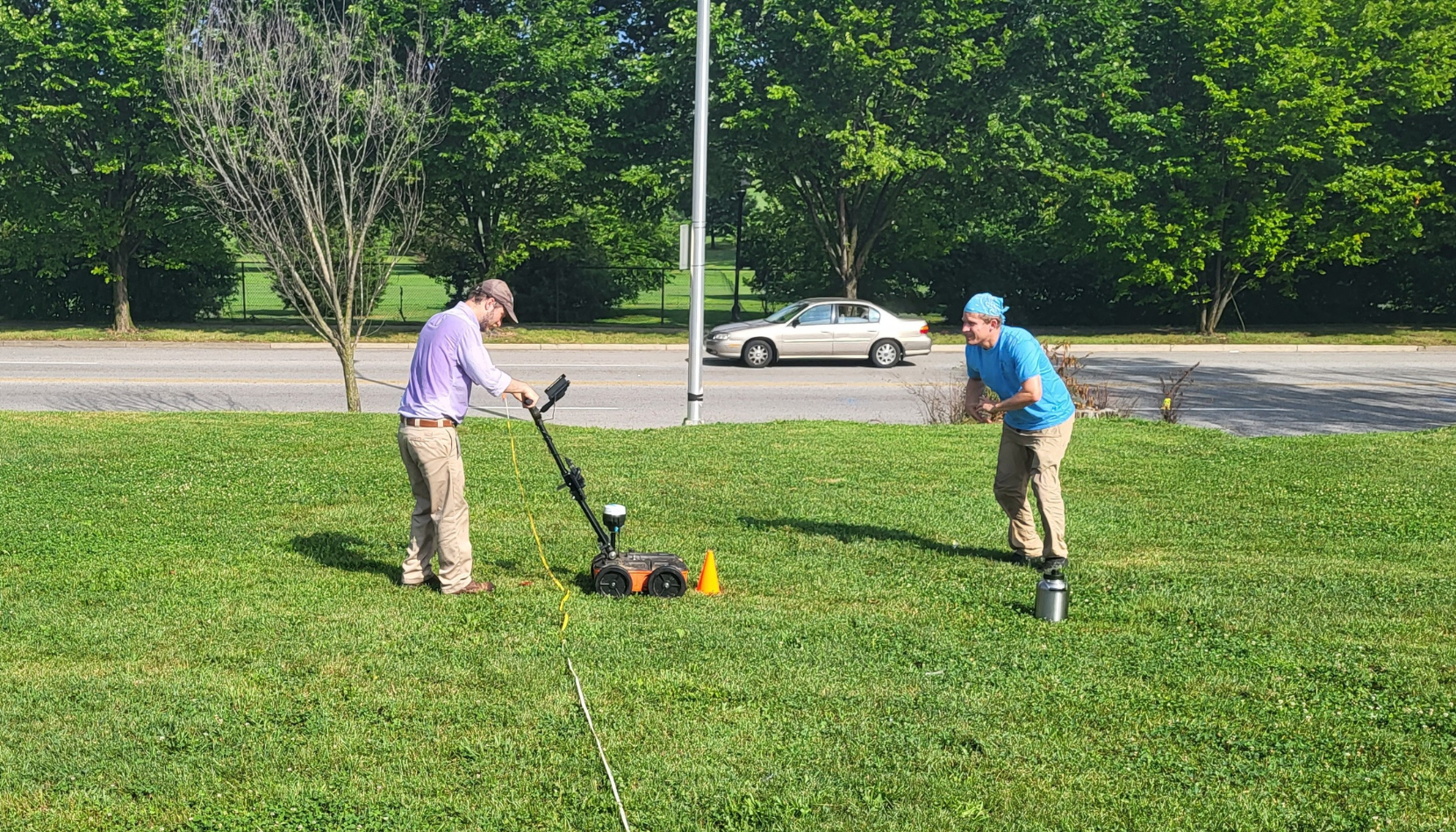
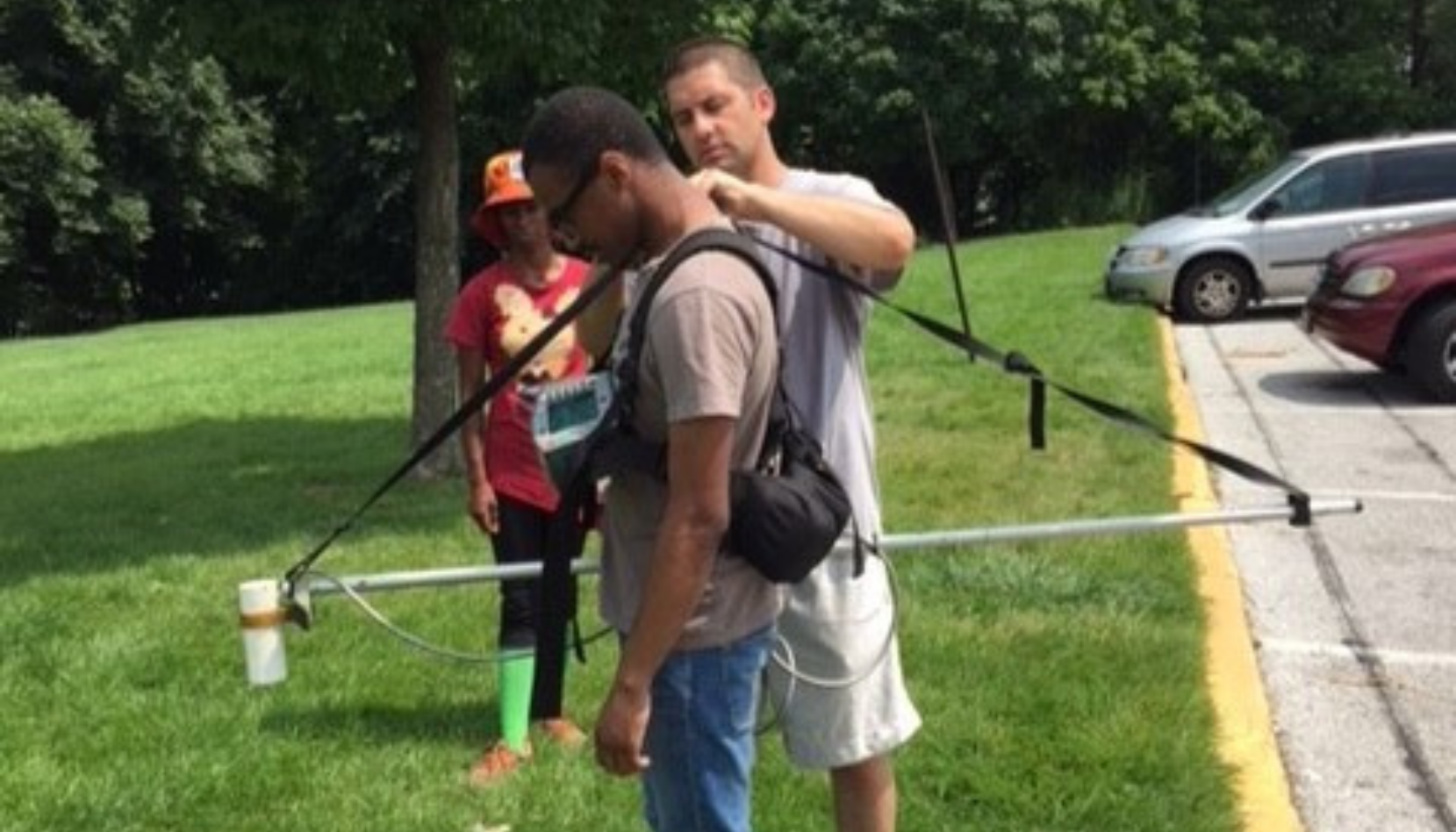
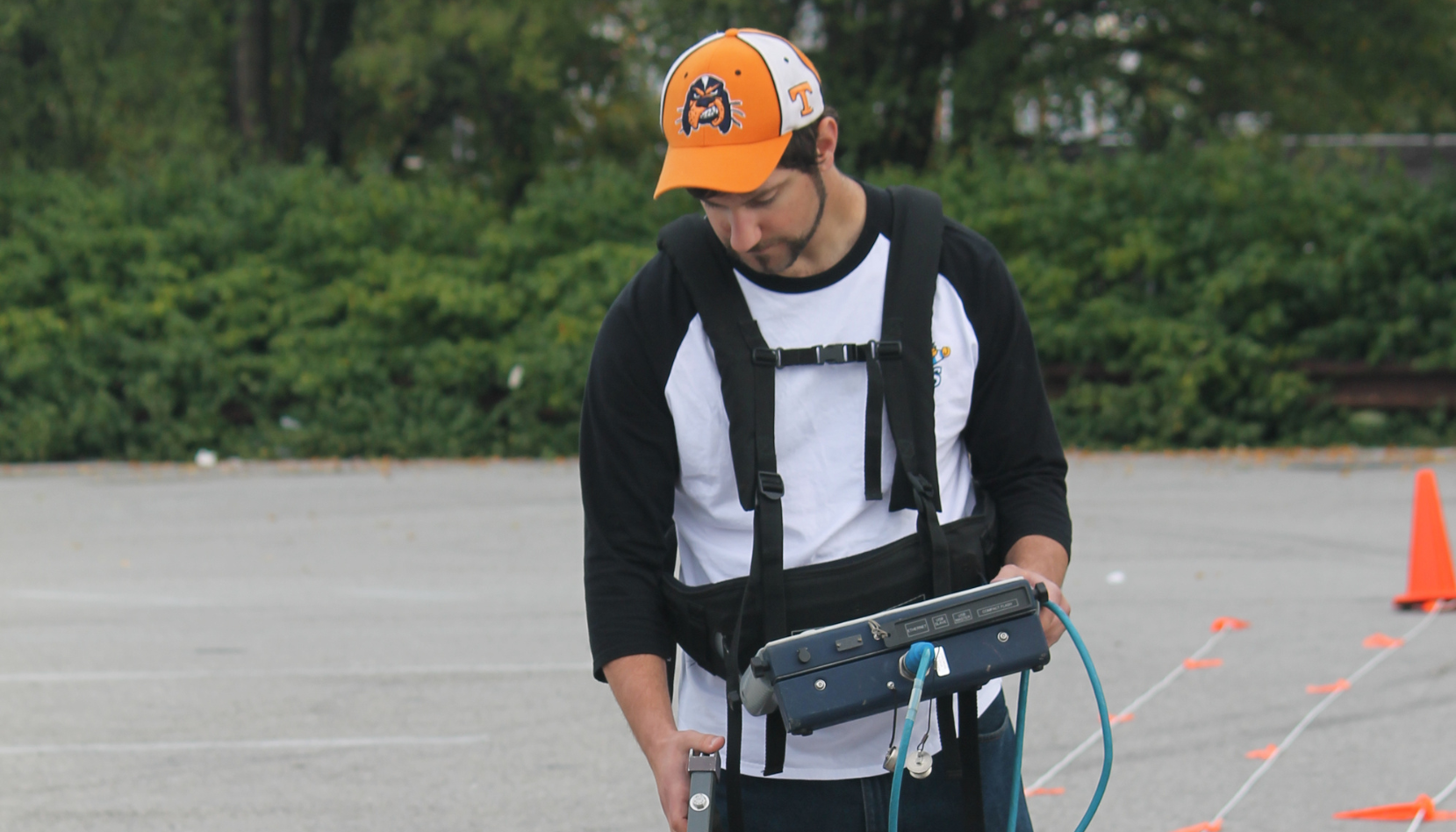
Researchers used mapping, magnetometer surveys, and ground-penetrating radar to identify areas where burials were likely present.
These methods confirmed that burials exist beneath both the parking lot and unpaved areas of the property.
HOW THE INVESTIGATION WAS CONDUCTED
Archaeologists used a combination of proven methods to find, document, and protect evidence of Laurel Cemetery.
01 | Mapping
Researchers documented the site and established excavation areas.
02 | Remote Sensing
Ground-penetrating radar and magnetometer surveys revealed burial locations.
03 | Excavation
Excavation uncovered burials and artifacts while preserving the integrity of the site.

04 | Documentation
Each discovery was photographed, measured, mapped, and logged for study.
Artifacts & Fieldwork
WHAT WE DISCOVERED
Archaeological investigations documented both the excavation process and the artifacts recovered from Laurel Cemetery. Together, these discoveries provide physical evidence of the cemetery's history and the people who were buried there.

Excavation
the discovery
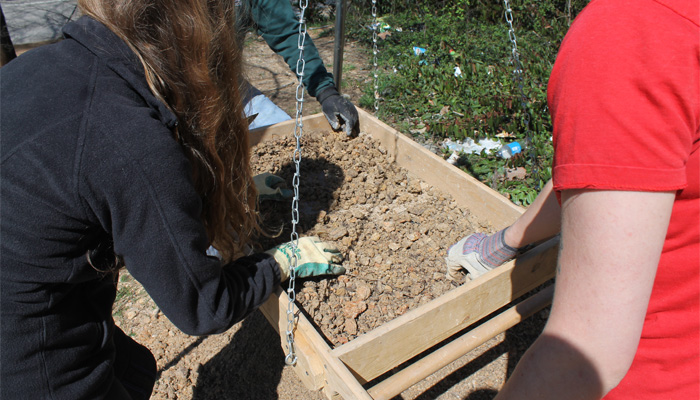
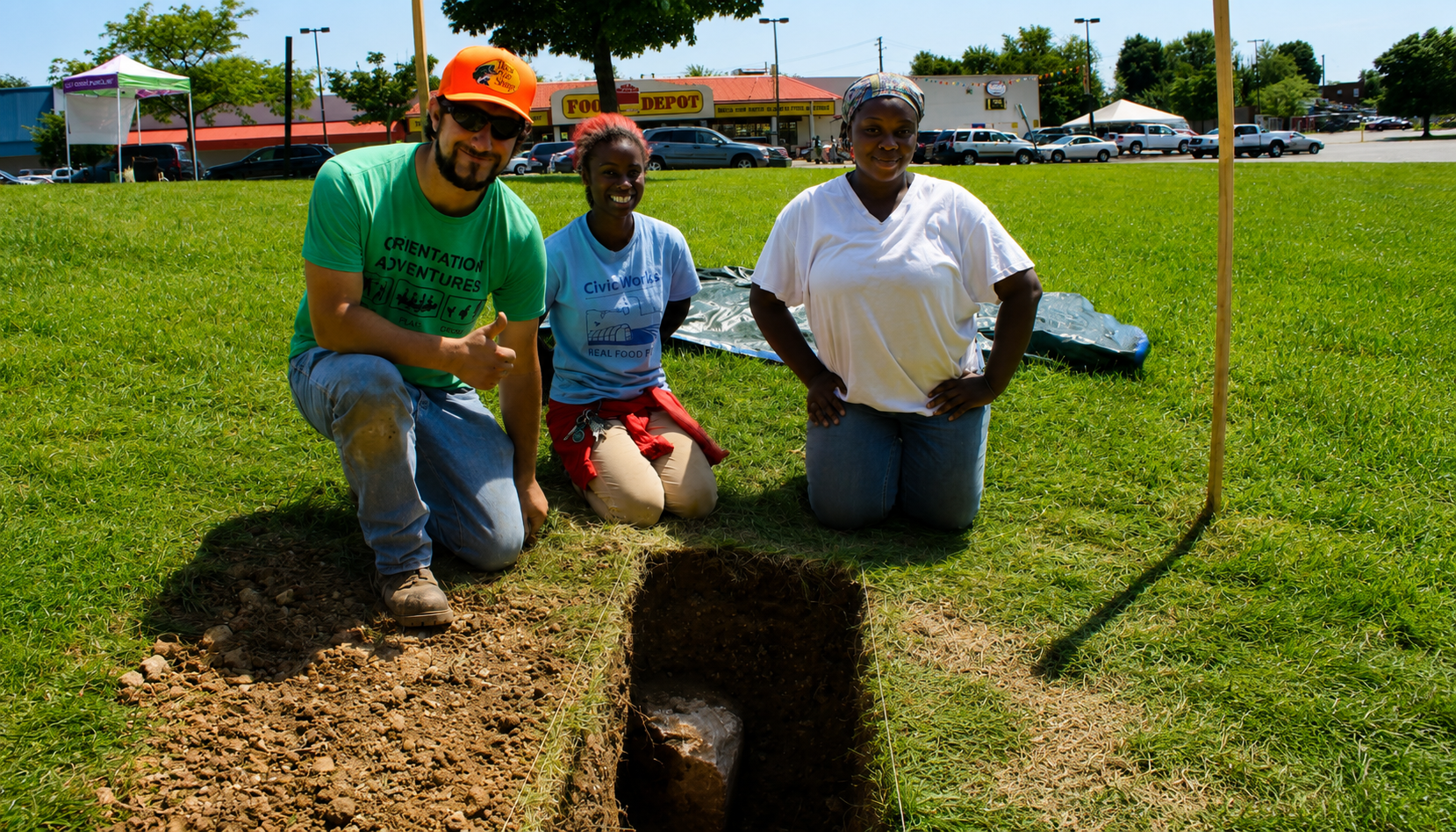
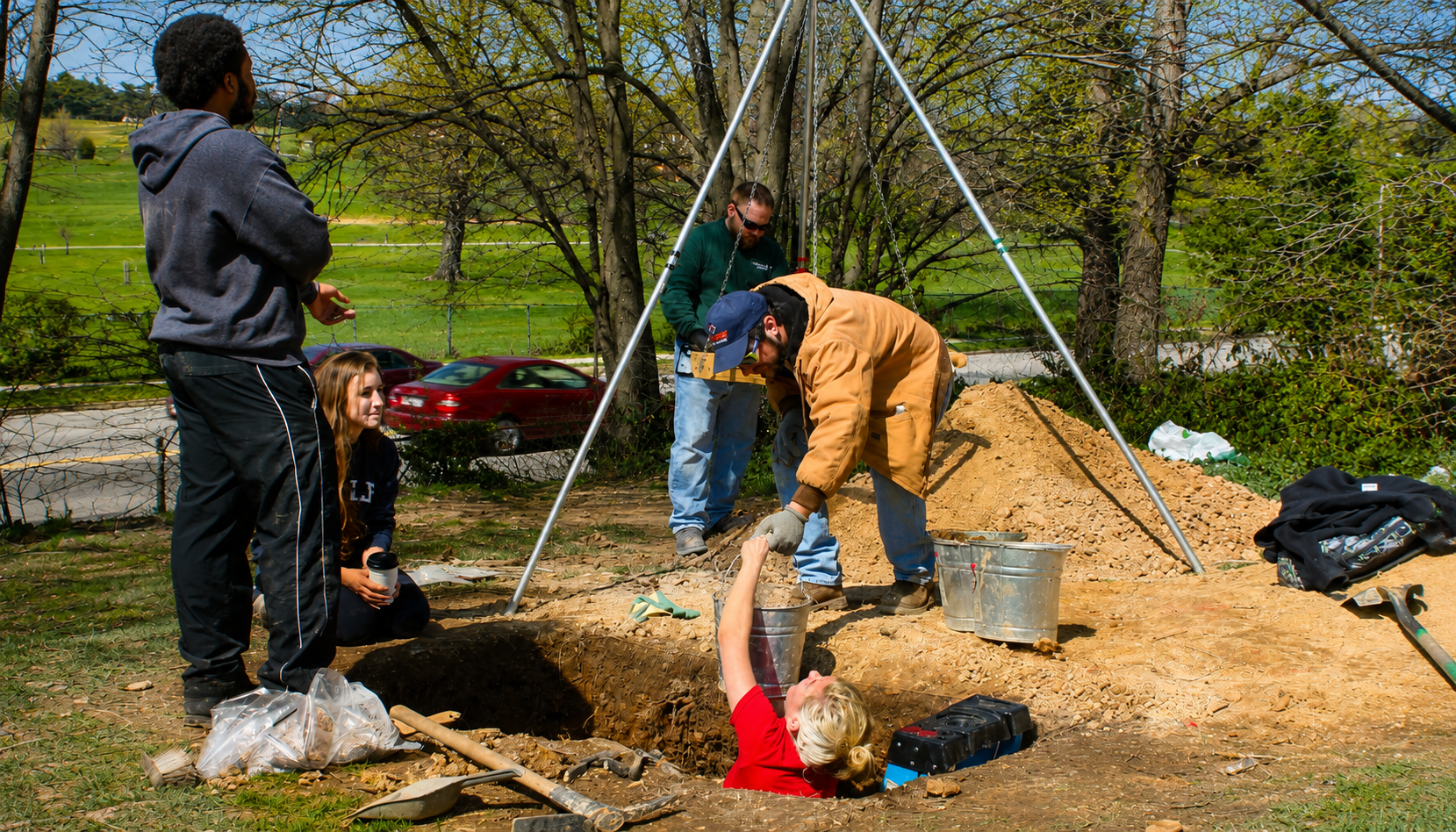
Controlled excavations confirmed that burials remained beneath both paved and unpaved portions of the former cemetery property.

Technology
the discovery
Ground-penetrating radar and magnetometer surveys identified likely burial locations and guided archaeological investigation.

Artifacts
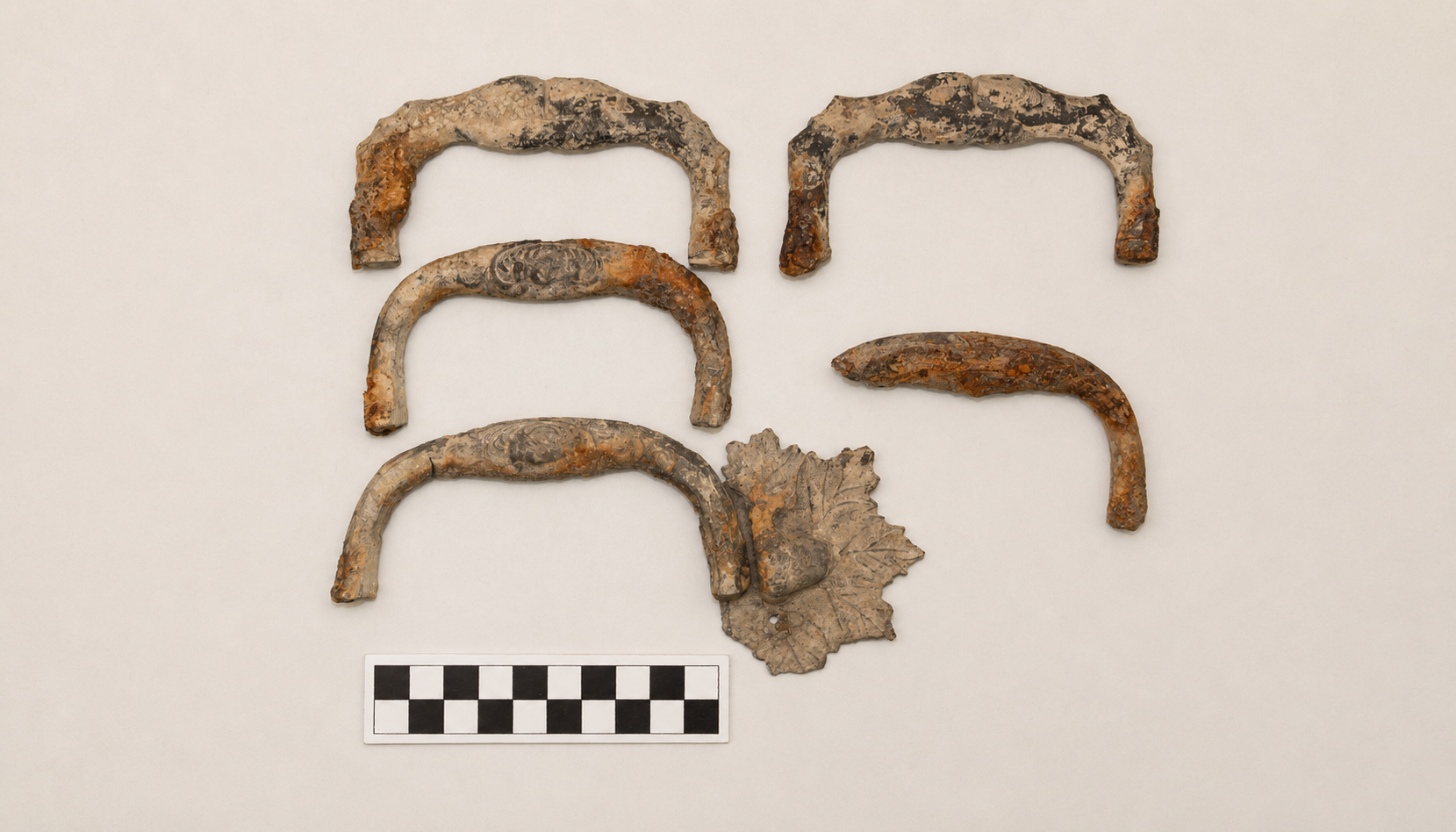
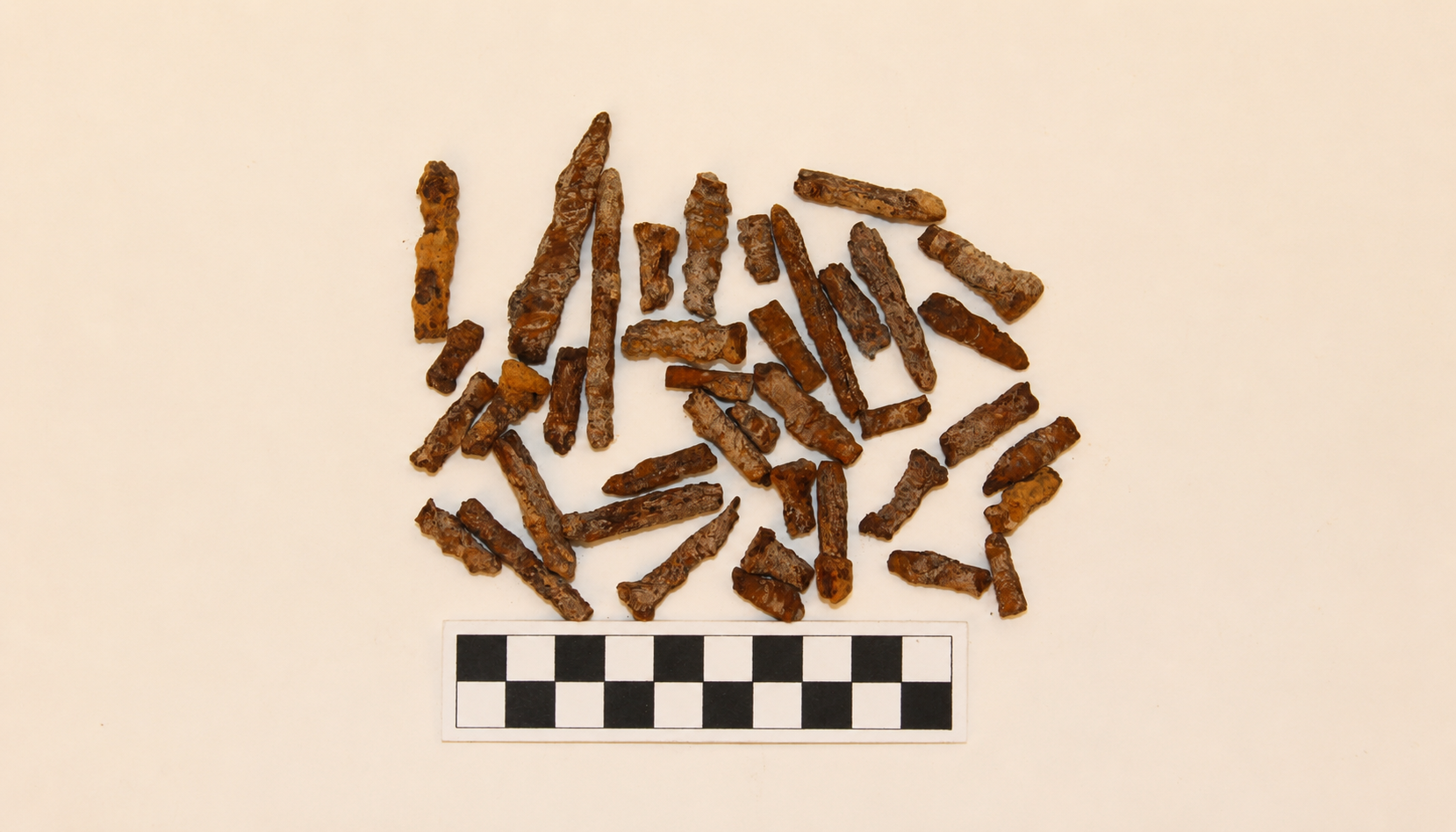
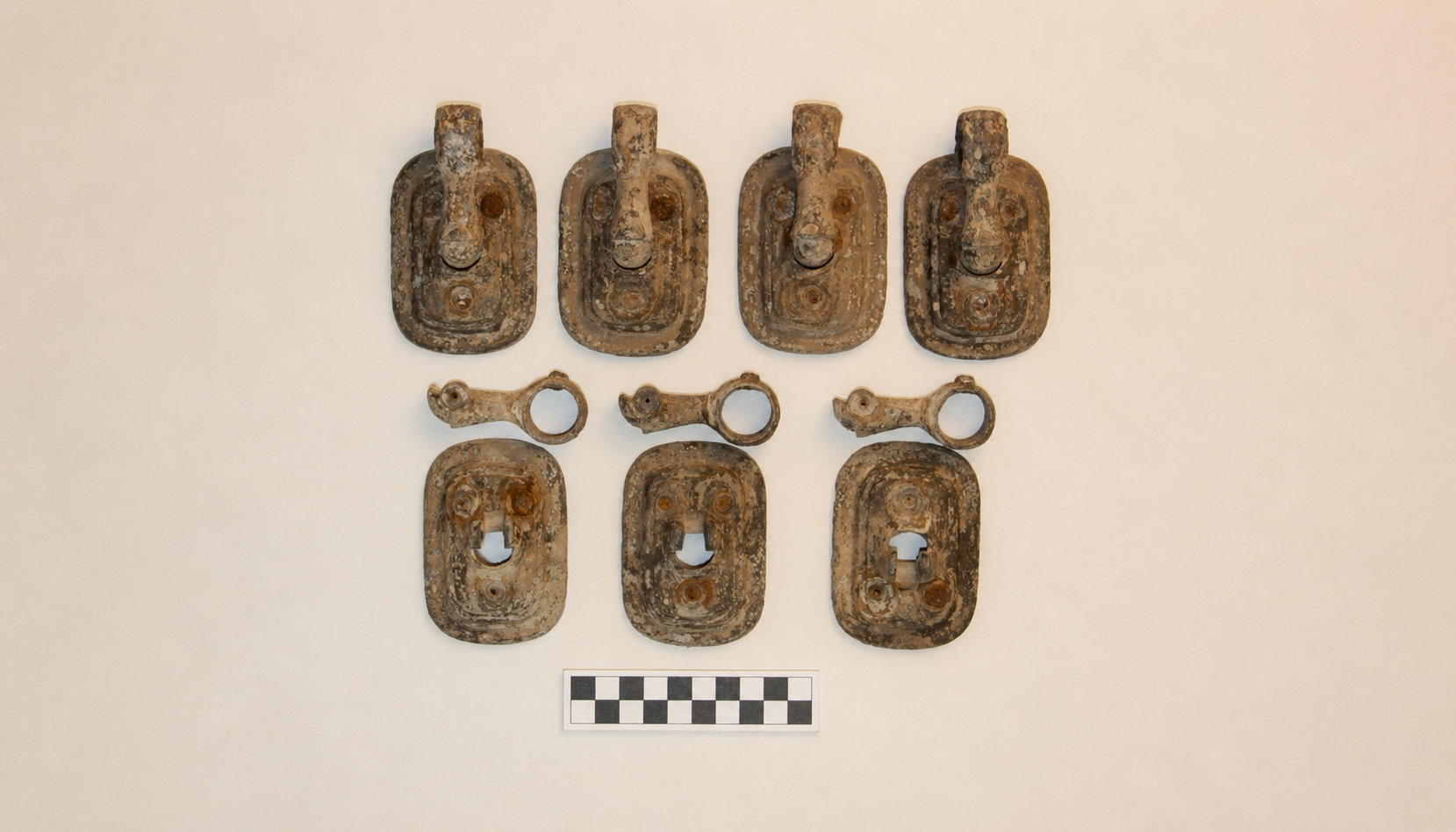
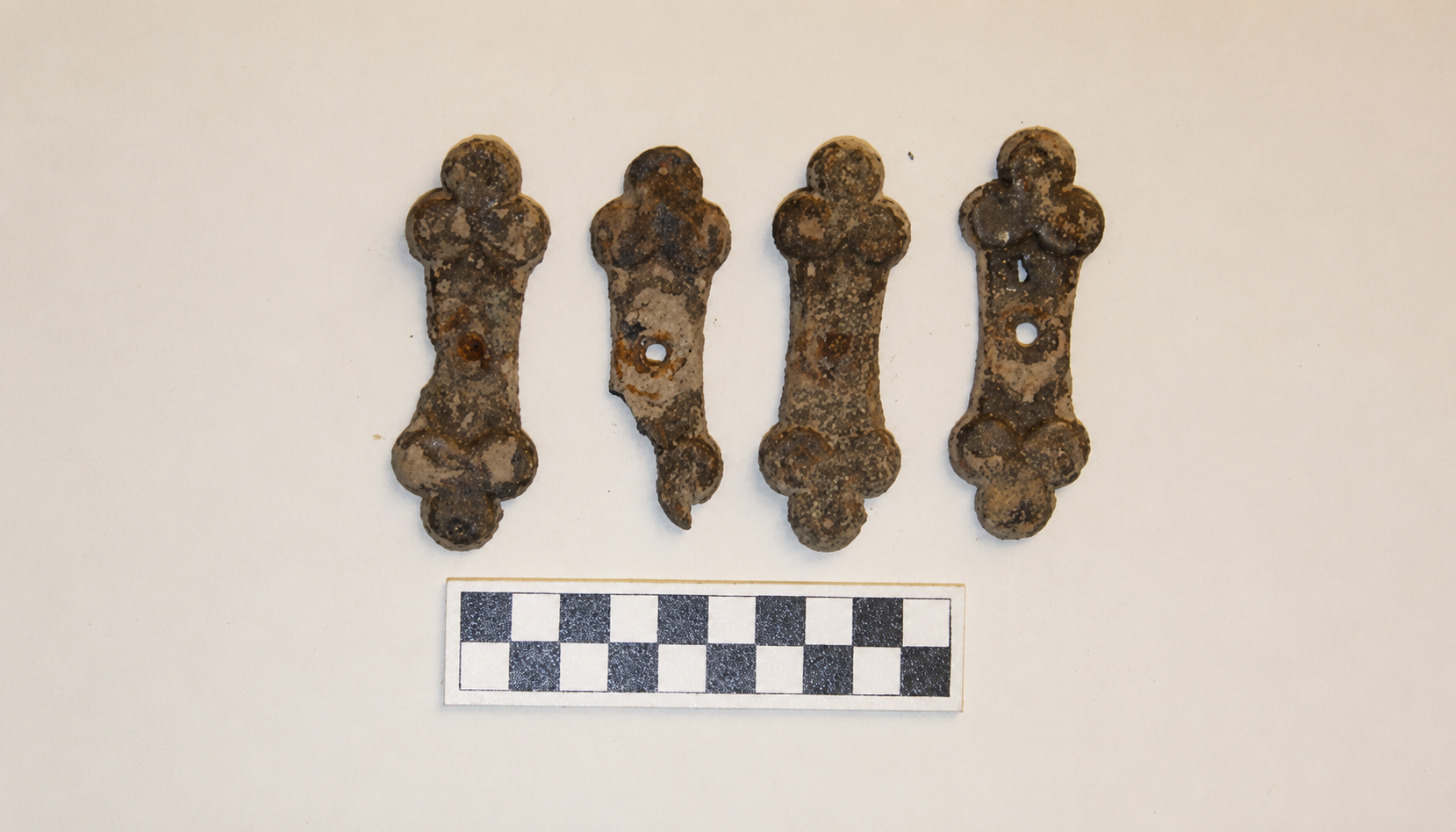
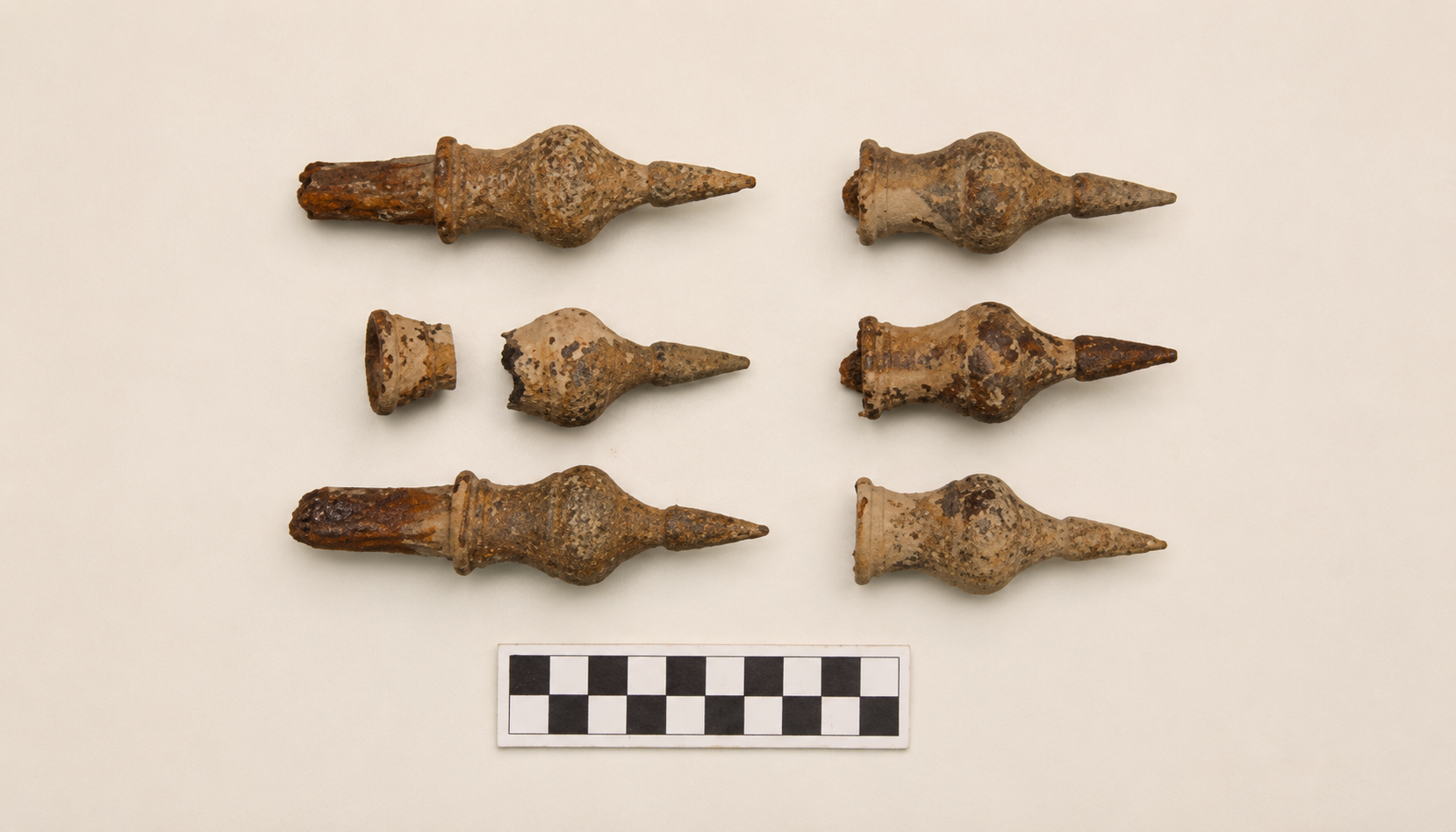
the discovery
Recovered materials help archaeologists understand burial practices, site history, craftsmanship, and the surrounding community, including casket hardware, gravestones, and early 20th century household items.
FREQUENTLY ASKED QUESTIONS
Why wasn't the shopping center excavated?
In the 1950’s, the vast majority of graves were not exhumed to be moved because those responsible deemed it impossible, or at least prohibitively expensive, and there were no agencies in a position to hold them accountable. They moved a few hundred headstones but claimed that the whole cemetery had been moved.
In our archaeological excavation in the 2010s, our only goal was to identify the presence and condition of existing graves, and not to fully exhume or disturb the burials.
How did archaeologists locate burials?
We first utilized historic maps to identify the boundaries of the burial ground. Then, in areas that we still had access to, excavated small pits at first, and then expanded them when they appeared to contain grave shafts. We also used a technique called Ground Penetrating Radar to detect grave shafts across large parts of the site without having to excavate at all.
What kinds of artifacts were found?
Aside from modern debris that was encountered at the top of the excavations, we recovered mostly fragments of hardware from coffins. The excavations came down on the side of the burial shafts when possible, which meant that handles, nails, and hinges were the main artifacts recovered.
What happens to recovered artifacts?
The artifacts are currently being curated in the archaeology laboratory at the University of Baltimore.
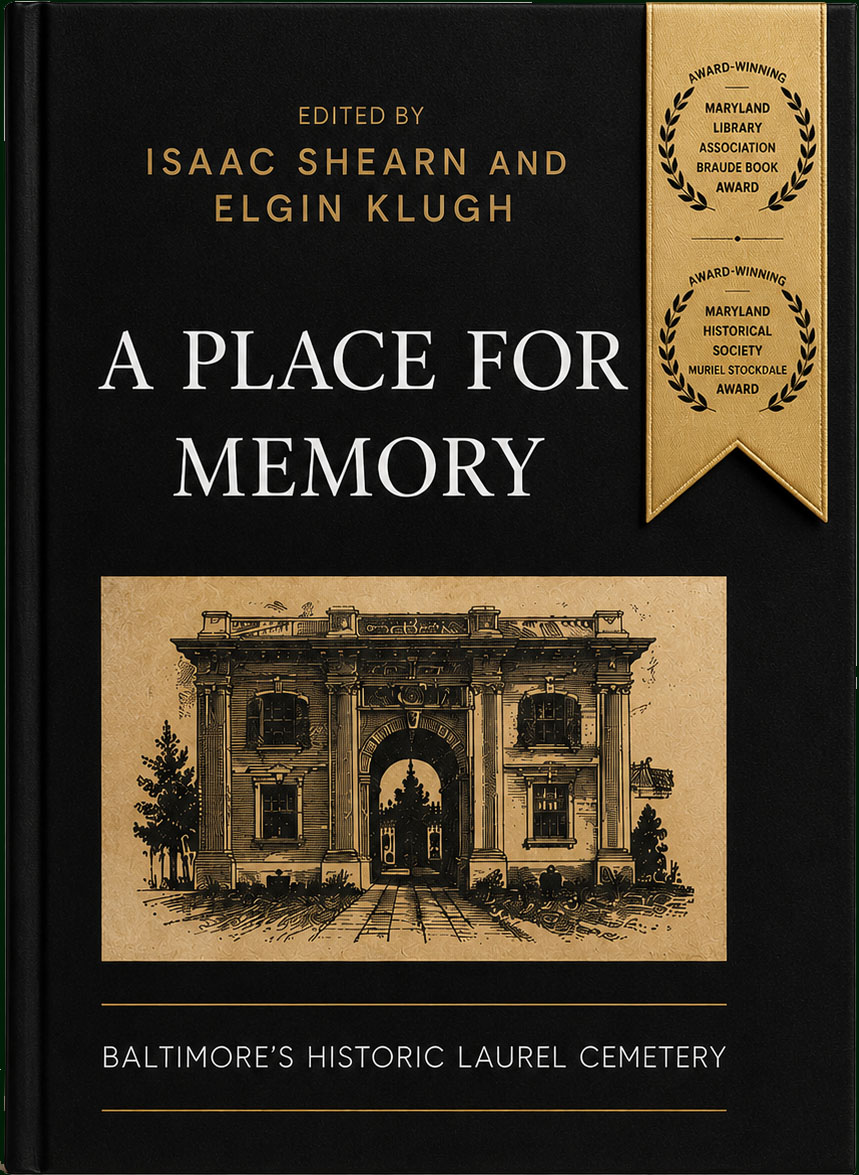
the full story
A Place of Memory:
Baltimore’s Historic Laurel Cemetery
Edited by Isaac Shearn and Elgin Klugh
Discover the complete story of Baltimore's historic Laurel Cemetery through groundbreaking research, archaeology, and archival discovery.
Continue Exploring

Meet Notable People
Discover the legacies of prominent leaders buried in Laurel Cemetery.
Learn the History
Learn about how the Laurel Cemetery Project unraveled.

Explore the Exhibits
Explore deeds, newspaper archives, maps, and primary sources.