
History

Explore the history of Laurel Cemetery and its lasting significance to Baltimore’s African American community.
For more than a century, Laurel Cemetery served as the final resting place for thousands of Baltimore's African-American residents before its story was nearly erased.
a place of remembrance.
a legacy of resilience.
an era of restoration.
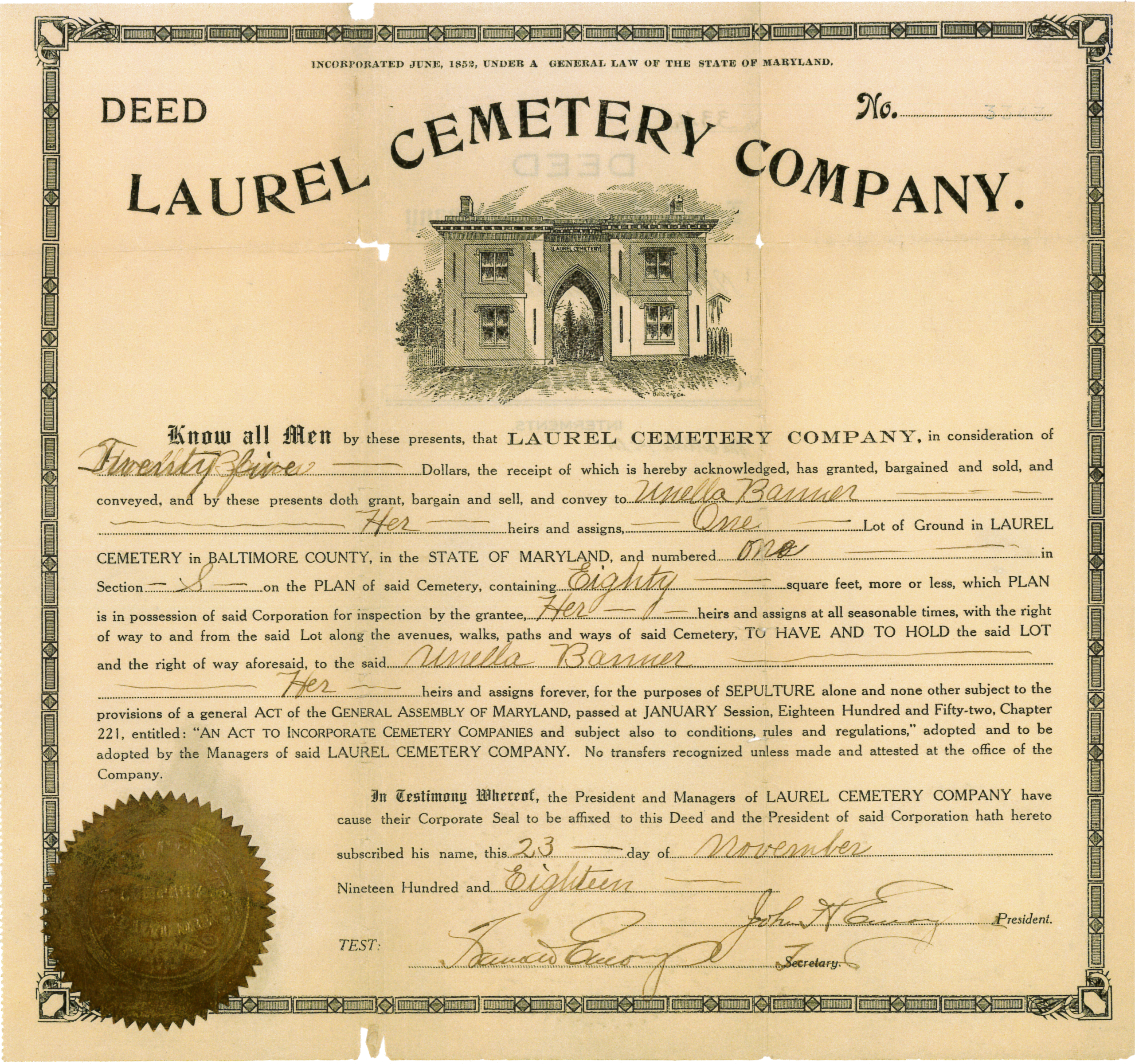
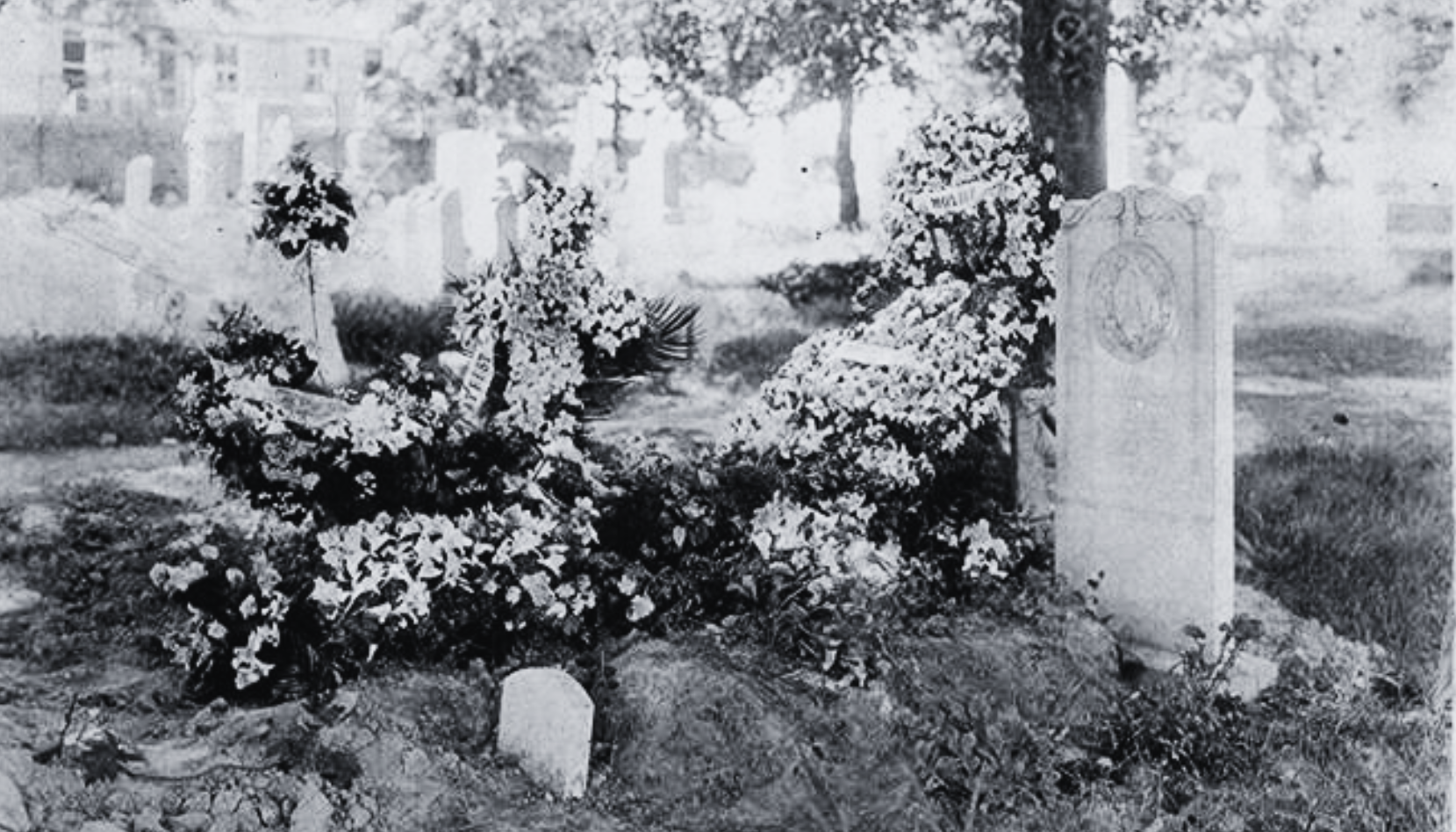
1852 - 1958
Baltimore's First Nondenominational African-American Cemetery
Laurel Cemetery was incorporated in 1852 on land that was rumored to have been used as a burial ground for free and enslaved servants of local landowners.
It quickly became one of the most beautiful and prominent African American cemeteries in the city, with an estimated 37,000 to 42,000 burials occurring during its years of operation.
a place of legacy
Laurel Cemetery was more than a burial ground—it was the commemorative heart of Baltimore's African American community.
It was the resting place of educators, clergy, entrepreneurs, civic leaders, and veterans. Annual parades and Memorial Day events honored those who served and those who built the community.
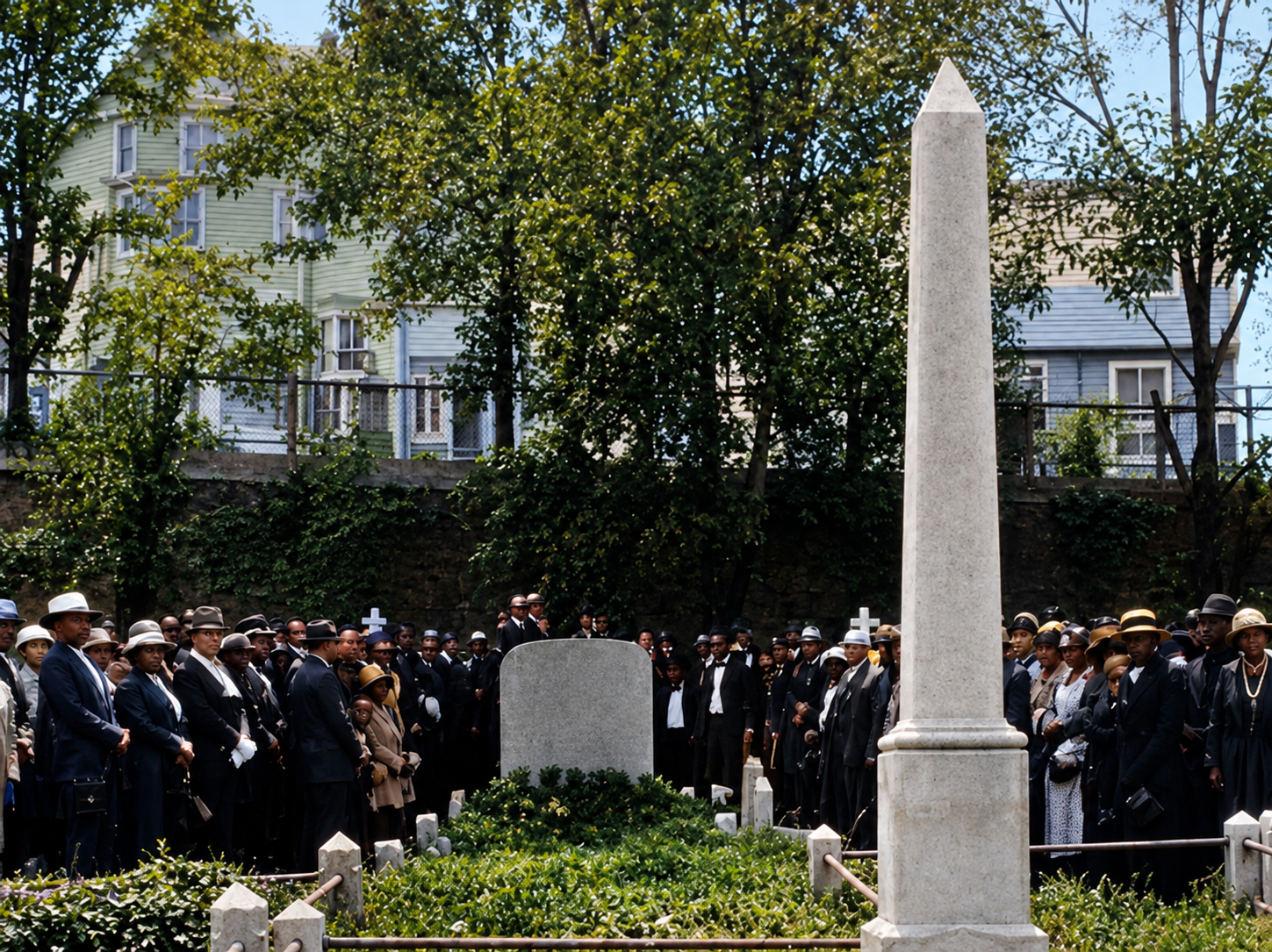
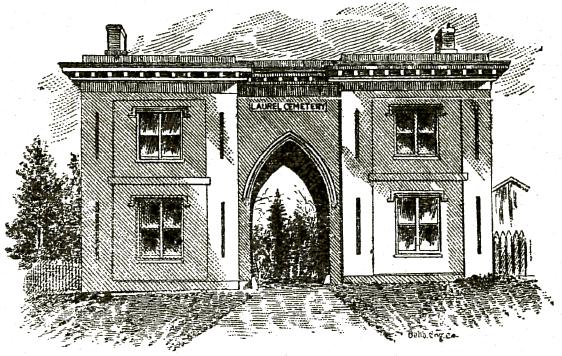
NOW, MORE THAN A CEMETERY.
Laurel Cemetery was the resting place of educators, clergymen, entrepreneurs, civic leaders, and veterans. A sacred place where a community's legacy lives on.
A sacred place where a community legacy lives on.
Our mission is to honor, preserve, and reconnect the stories of those buried at Laurel Cemetery through research, archaeology, and community collaboration.

SPECIAL EVENTS
Parades and Memorial Day events honored those laid to rest in Laurel.

US Colored Troops
Over 240 United States Colored Troops were buried on the grounds

Pioneers & Leaders
Resting place for educators, clergy, entrepreneurs, and civic pioneers.
Through the Years
Cemetery becomes a Place of Remembrance
Late 1850s - 1860s
Laurel becomes the final resting place for thousands of African Americans, including ministers, veterans, civic leaders, educators, and formerly enslaved people.
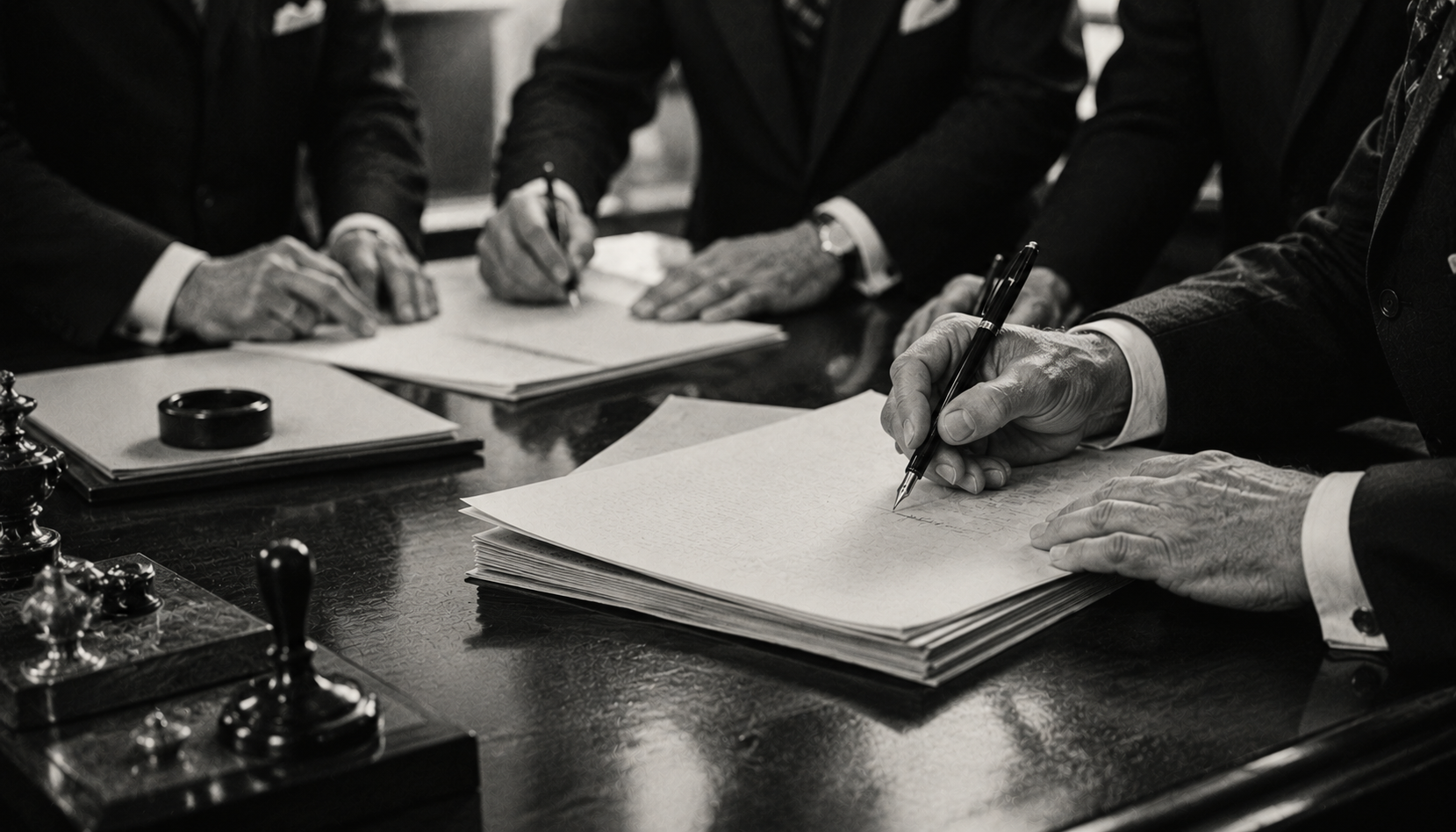
Government purchases a portion of the Cemetery
1867
The Federal Government established Laurel National Cemetery within Laurel Cemetery, burying over 240 United States Colored Troops. Thousands later gathered each May to honor them on Decoration Day, the precursor to Memorial Day.
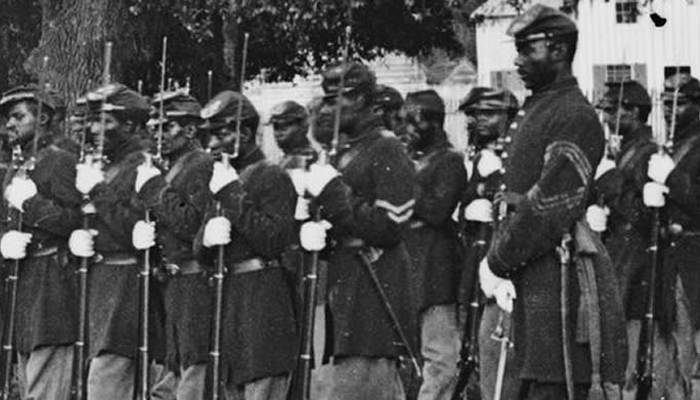
US Colored Troops Soldiers Reinterred
1884
US Colored Troops Soldiers Removed: The graves of the over 240 United States Colored Troops are removed from Laurel National Cemetery and reinterred at Loudon Park National Cemetery at the direction of the U.S. Secretary of War.
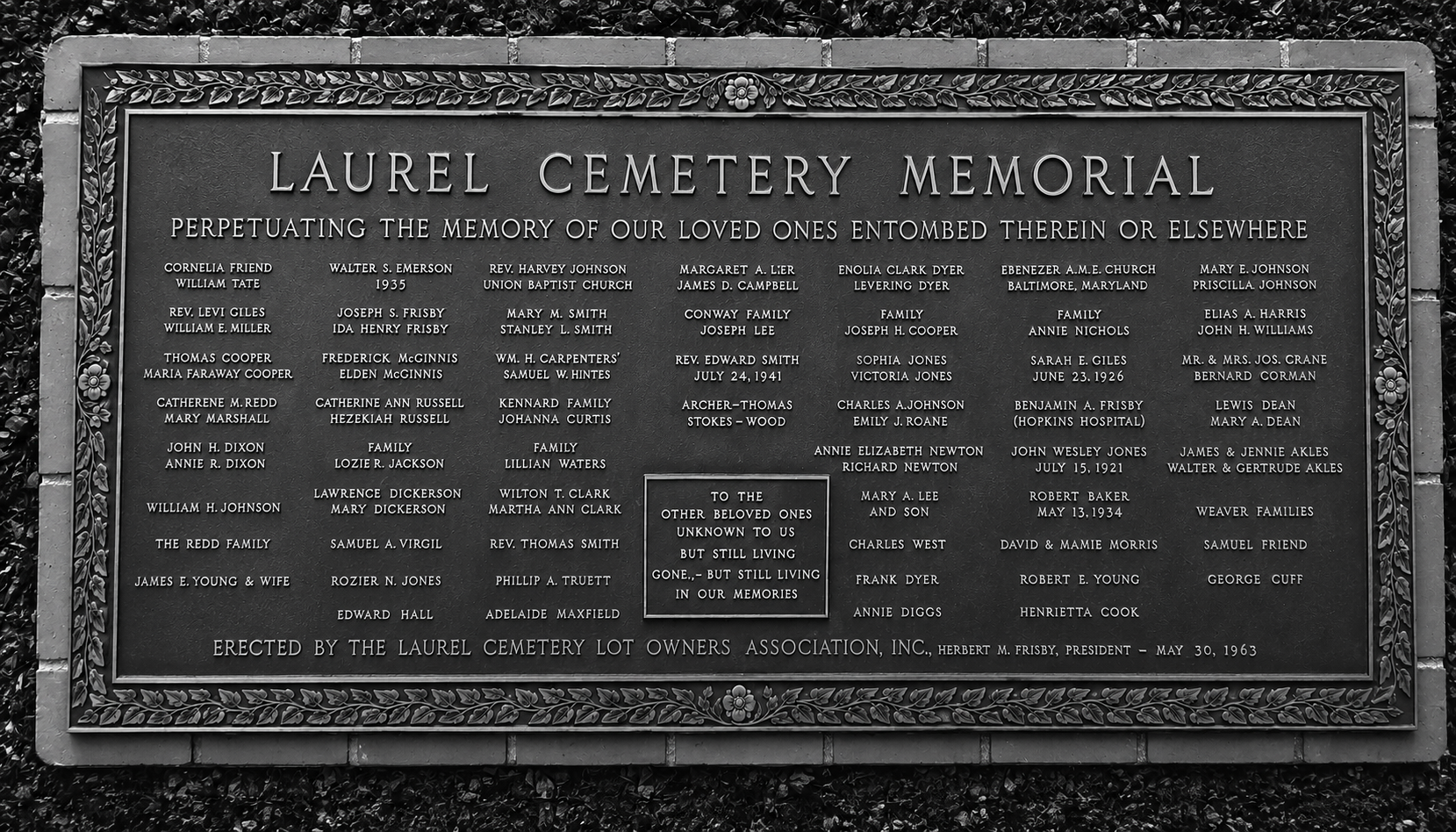
The Laurel Cemetery is Established
1852
Baltimore’s first incorporated and non-demonational cemetery for African Americans opens on 25 acres in northeast Baltimore.
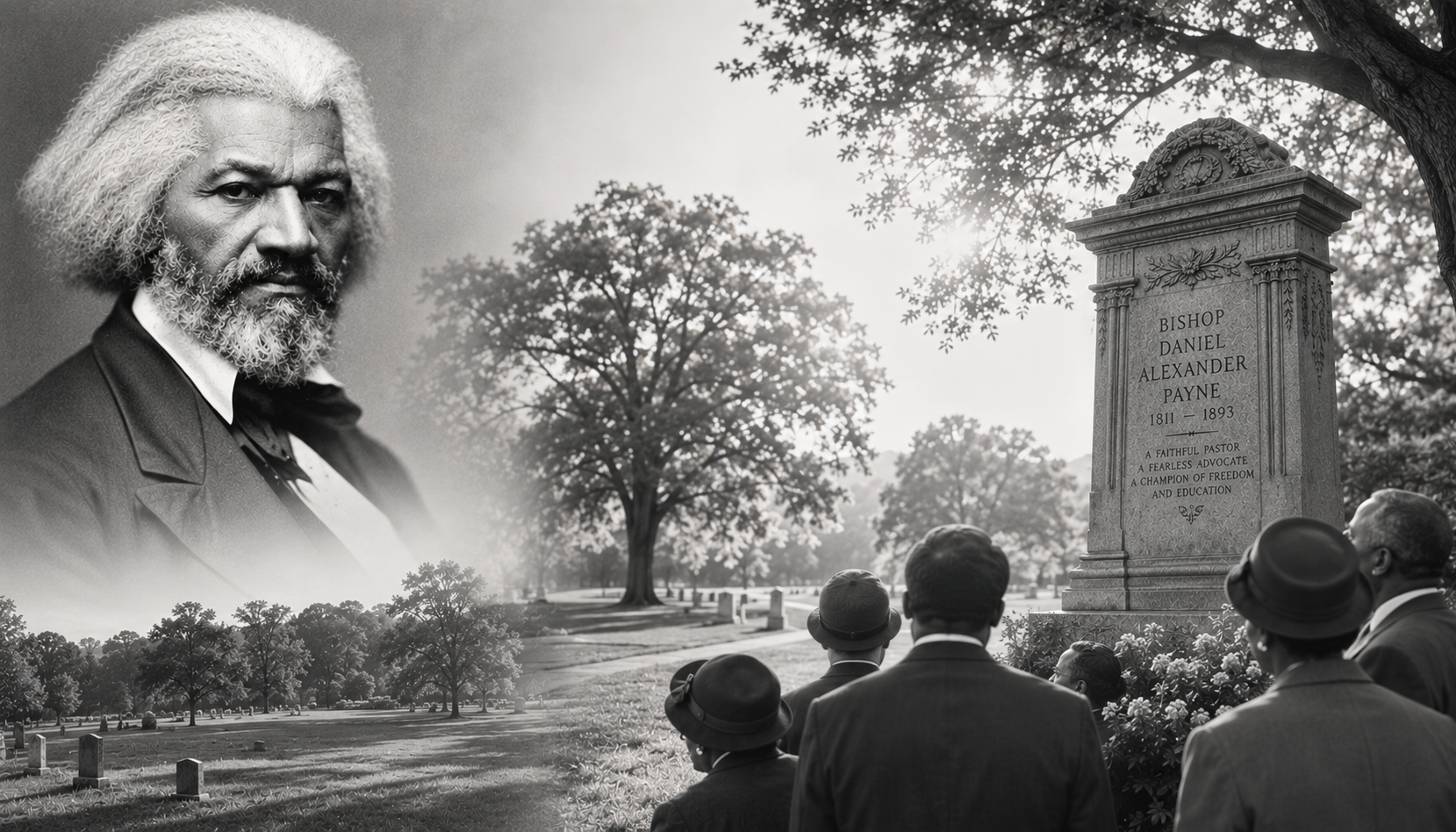
Frederick Douglass Visits Laurel Cemetery
1894
Frederick Douglass Speaks at Memorial for Daniel Alexander Payne: Frederick Douglass, a frequent visitor to Laurel Cemetery, attends the unveiling of the monument for Bishop Daniel Alexander Payne, one of the cemetery’s most significant and well-documented commemorative events.
The Cemetery Decline Begins
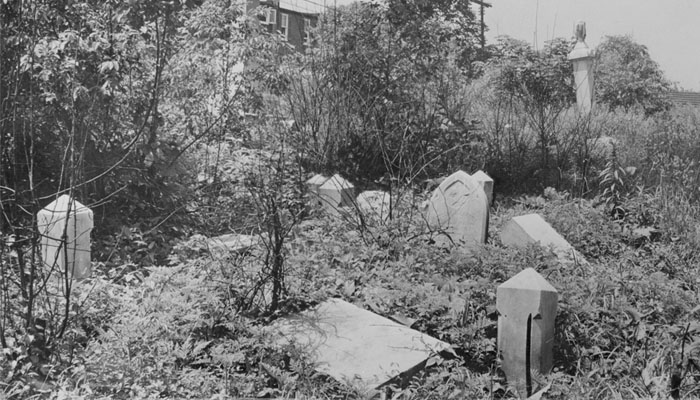
1930
Industry changes, financial difficulties, and reduced maintenance add to the cemetery's deterioration.
Calls for Demolition to the Cemetery
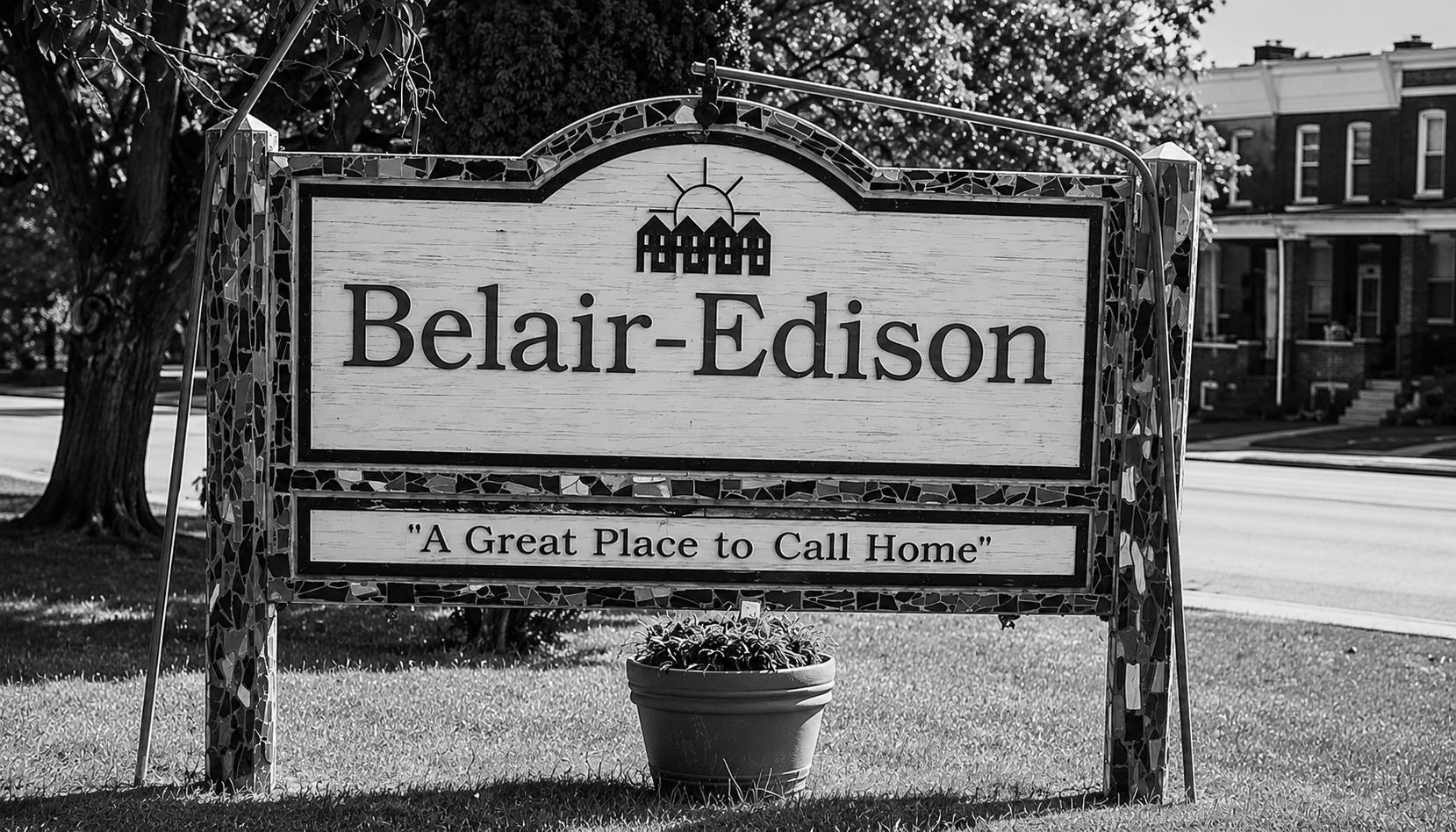
1948
Community discussions begin about the future of the neglected cemetery and the growing development pressure in northeast Baltimore.
Laurel Cemetery files for Bankruptcy
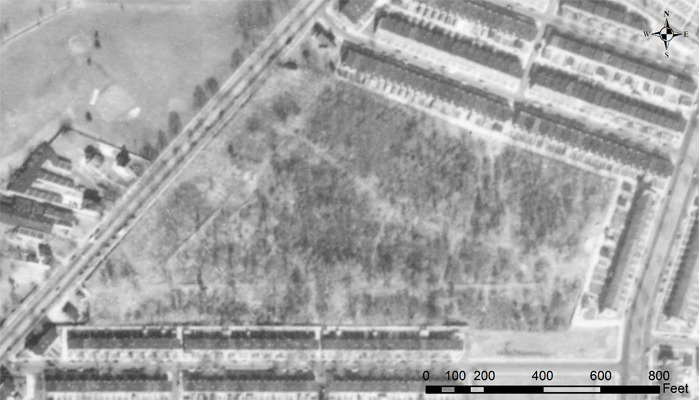
1952
Laurel Cemetery officially declares bankruptcy after years of neglect.
Legislation Passed for the Sale of the Cemetery
1957
Maryland lawmakers approve legislation allowing the sale of the Laurel Cemetery property and grounds.
Closure and Demolition
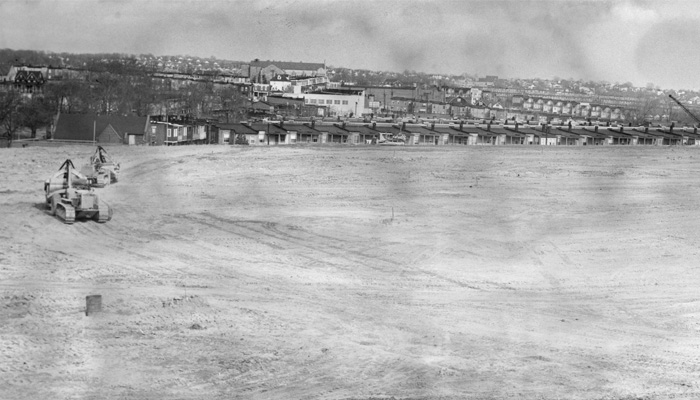
1958
The cemetery is sold and leveled after 106 years. Some remains are relocated to New Laurel Cemetery.
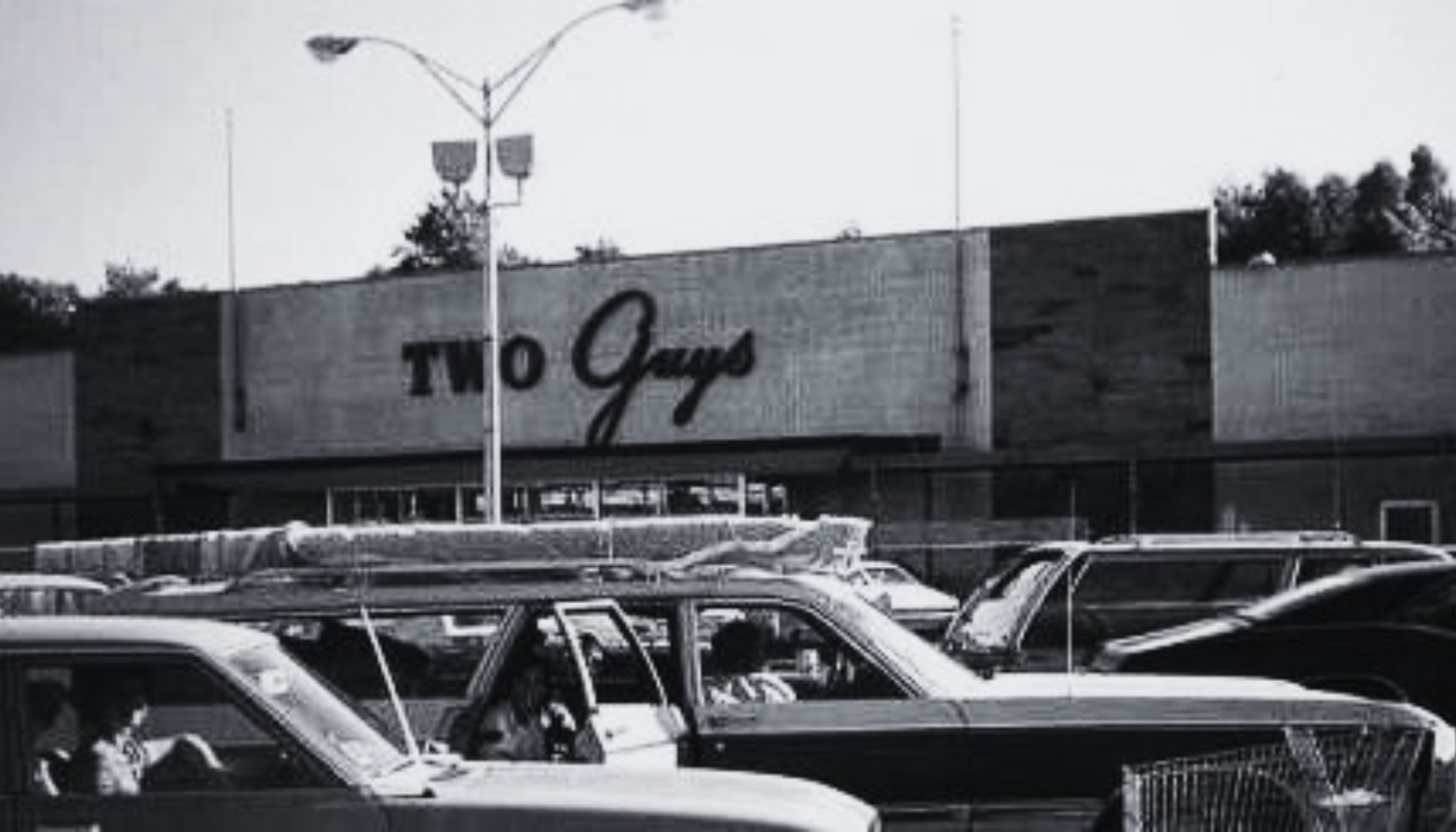
Site Redeveloped
1962
After years of litigation, the former Cemetery site is transformed into a commercial shopping center and residential development.
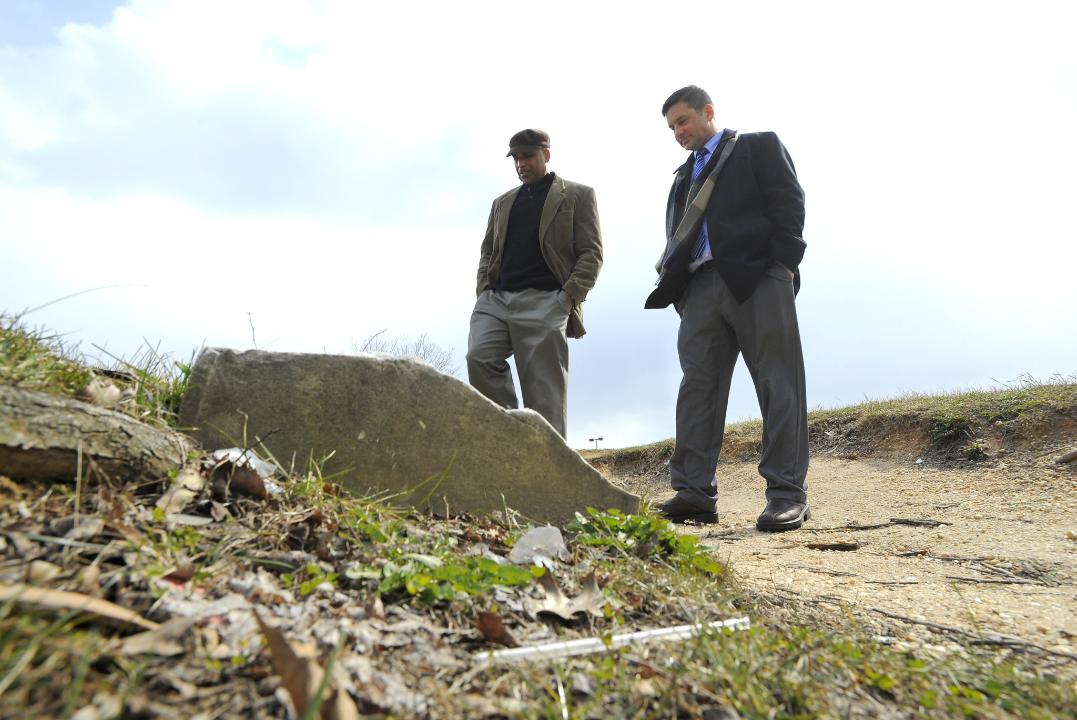
Research and Rediscovery of the Cemetery
2015 - Present
Archaeological investigations uncover thousands of unmarked burials, leading to ongoing preservation and memorialization efforts.
the full story
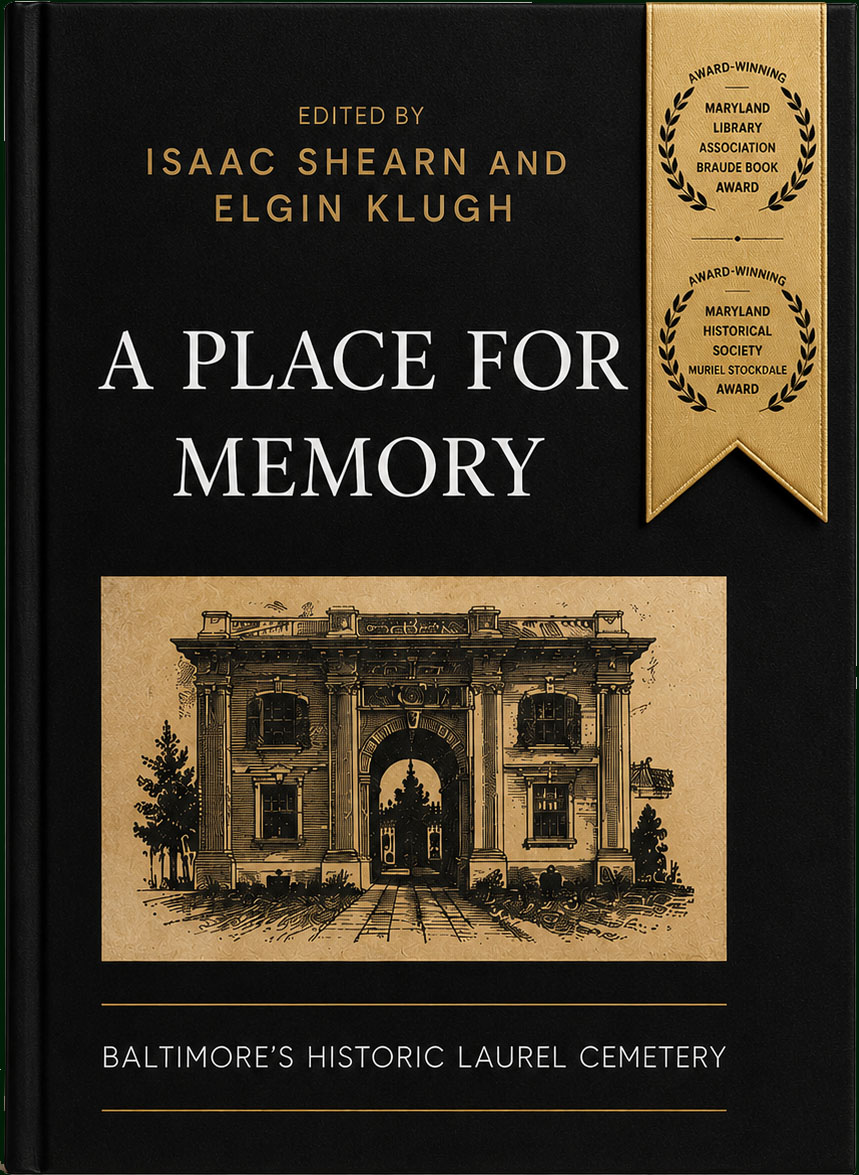
A Place of Memory:
Baltimore’s Historic Laurel Cemetery
Edited by Isaac Shearn and Elgin Klugh
Discover the complete story of Baltimore's historic Laurel Cemetery through groundbreaking research, archaeology, and archival discovery.
Continue Exploring

Meet Notable People
Discover the legacies of prominent leaders buried in Laurel Cemetery.

See the Archaeology
Learn how research is being used to uncover the Cemetery’s story.

Explore the Exhibits
Explore deeds, newspaper archives, maps, and primary sources.